Beginner Mistakes in Poker: How to Spot and Avoid Them

Beginner Mistakes in Poker: How to Spot and Avoid Them
Poker is a game that blends luck, psychology, and strategy. Many new players get caught up in the excitement of chasing big pots but overlook the small mistakes that cost them money over time. Whether you’re playing online or at a live table, success comes from understanding the game’s dynamics and avoiding common pitfalls. Here’s a guide to the most frequent beginner mistakes—and how to steer clear of them.
1. Playing Too Many Hands
One of the most common beginner errors is playing far too many hands. It’s tempting to see every flop, but doing so is a fast track to losing chips. Experienced players know that patience is one of the most valuable skills in poker.
How to avoid it: Learn which starting hands are worth playing from each position. Start tight—fold more often than you play—and gradually expand your range as you gain experience. It’s better to fold a marginal hand than to get trapped in an expensive pot.
2. Ignoring Table Position
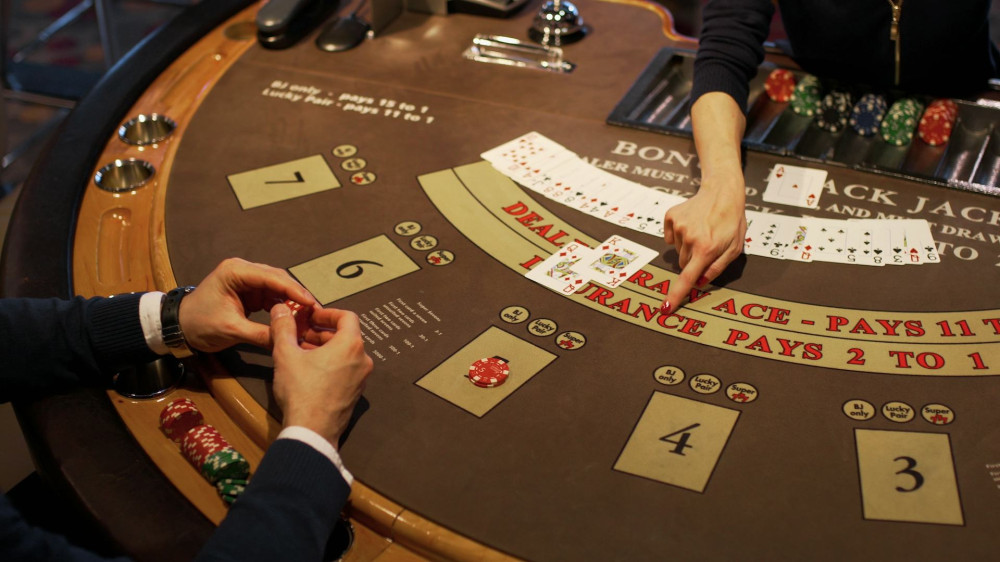
Your position at the table—where you sit relative to the dealer—has a huge impact on your decisions. Many beginners underestimate how much easier it is to make good choices when you act later in a betting round.
How to avoid it: Play more hands when you’re in late position and tighten up when you’re early to act. Having information about how others play before you make your move gives you a major strategic edge.
3. Letting Emotions Take Over
Poker can be intense. Losing a big hand on a bad beat can make even seasoned players lose focus. For beginners, it’s common to let frustration or overconfidence take control—what poker players call going “on tilt.”
How to avoid it: Recognize your emotional triggers. If you feel angry, impatient, or reckless, take a break. Poker is about making rational decisions, not emotional ones. Staying calm and disciplined will save you money in the long run.
4. Overvaluing the Bluff
Movies and TV shows often make it seem like poker is all about bluffing your way to victory. In reality, bluffing is just a small part of the game—and a poorly timed bluff can be costly.
How to avoid it: Bluff only when the situation makes sense. Successful bluffs depend on your ability to read opponents and understand how they perceive you. A well-timed bluff can be powerful, but use it sparingly and strategically.
5. Neglecting Bankroll Management
Even skilled players can go broke if they don’t manage their money wisely. Many beginners play stakes that are too high for their budget, often chasing losses or trying to win big too quickly.
How to avoid it: Set aside a specific amount of money for poker—money you can afford to lose—and stick to it. Play at stakes where losing doesn’t affect your finances or your mood. Smart bankroll management is the foundation of long-term success.
6. Failing to Observe Opponents
Poker isn’t just about your own cards—it’s about understanding the people you’re playing against. Many beginners focus only on their hand and forget to watch how others play.
How to avoid it: Pay attention to patterns. Who plays aggressively? Who folds often? Who only bets when they have strong hands? The more you understand your opponents’ tendencies, the easier it becomes to make profitable decisions.
Læs også:

7. Skipping Study and Self-Analysis
Poker rewards players who learn from their mistakes. Many new players treat the game purely as entertainment and never take time to reflect on their play.
How to avoid it: After each session, review hands you were unsure about. Watch training videos, read strategy books, or discuss hands with other players. The more you study the math and psychology behind poker, the faster you’ll improve.
8. Believing Luck Controls Everything
Luck plays a role in poker—but only in the short term. Over time, skill and decision-making determine who wins. Many beginners blame bad luck for losses or credit good luck for wins instead of focusing on their strategy.
How to avoid it: Think in terms of probabilities and decision quality, not just results. A good decision can still lead to a loss, and a bad one can sometimes win—but in the long run, good decisions pay off.
Poker Is a Game of Patience and Discipline
Becoming a strong poker player isn’t about learning a few tricks—it’s about developing discipline, patience, and a deep understanding of the game’s nuances. Most beginner mistakes can be avoided by playing thoughtfully, learning from experience, and remembering that poker is a marathon, not a sprint.
Læs også: