More Tickets, Better Odds – But How Realistic Is That, Really?

Buying more lottery tickets might boost your odds—but only slightly. Here’s what the math and psychology really say.
Lottery
Lottery
4 min
Millions chase the dream of a life-changing jackpot, believing that more tickets mean a better chance to win. This article breaks down the real probabilities, the psychology behind “almost winning,” and why the lottery’s promise of fortune is more illusion than strategy.
Isaiah Johnson
Isaiah
Johnson

More Tickets, Better Odds – But How Realistic Is That, Really?

Buying more lottery tickets might boost your odds—but only slightly. Here’s what the math and psychology really say.
Lottery
Lottery
4 min
Millions chase the dream of a life-changing jackpot, believing that more tickets mean a better chance to win. This article breaks down the real probabilities, the psychology behind “almost winning,” and why the lottery’s promise of fortune is more illusion than strategy.
Isaiah Johnson
Isaiah
Johnson

The dream of hitting the jackpot is alive and well across America. Every week, millions of people buy Powerball or Mega Millions tickets, scratch-offs, and raffle entries, hoping that their numbers will finally come up. The logic seems simple enough: the more tickets you buy, the better your odds of winning. But how much does that really change your chances—and is it realistic to think you can “play your way” closer to a fortune?

The Cold Math of Probability

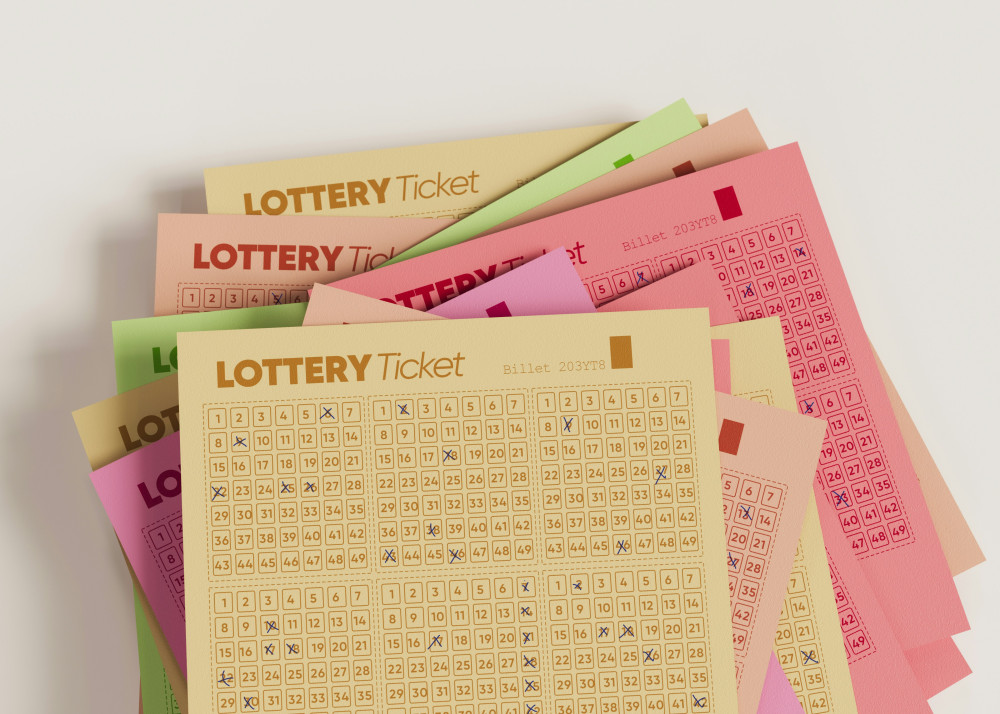
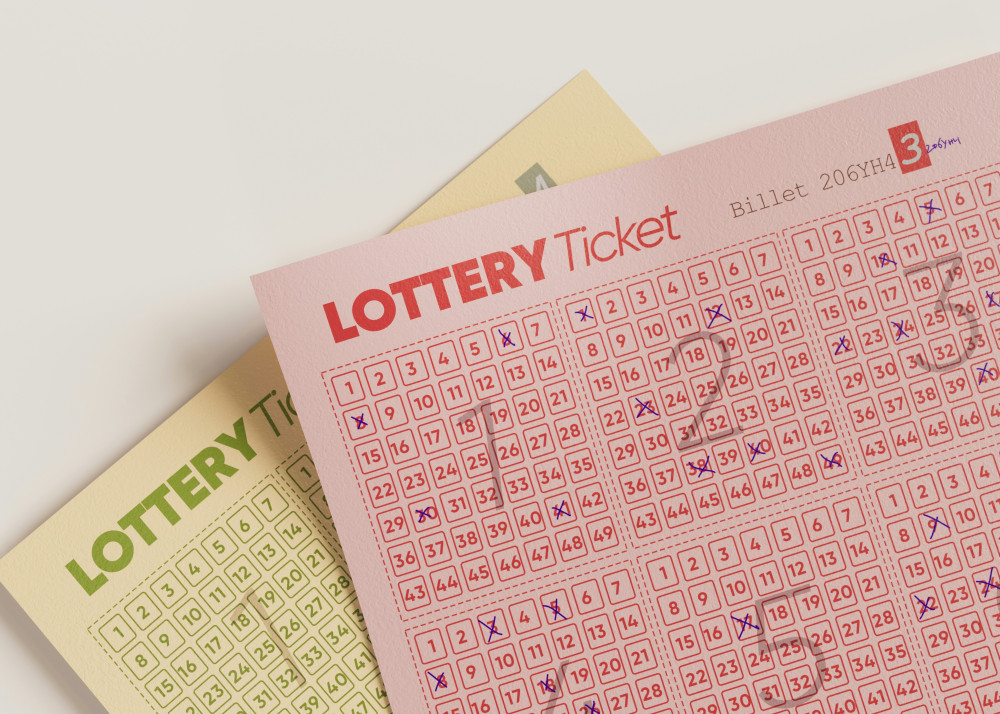
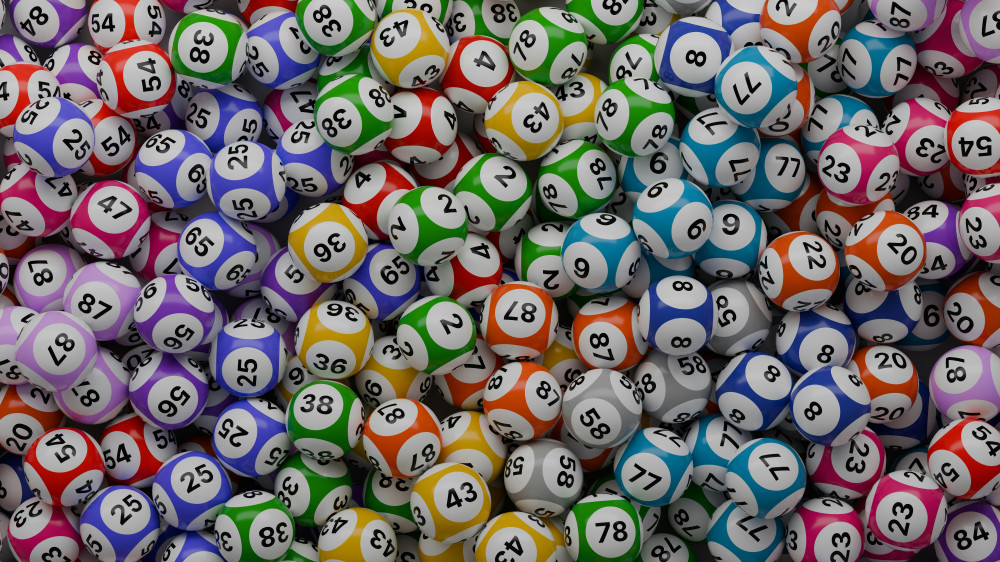
Lotteries are, by design, games with astronomically low odds. In the Powerball, for example, the chance of winning the grand prize is about 1 in 292 million. Buying ten tickets doesn’t make that much better—it only changes your odds to 10 in 292 million, or roughly 1 in 29 million. That’s still vanishingly small.

Mathematically, yes, more tickets increase your odds. But the difference is so tiny that it’s practically meaningless. It’s like buying two tickets for a flight that almost never crashes—you’ve technically doubled your risk, but it’s still close to zero.

The Psychology of “Almost”

Many players overestimate how much buying extra tickets helps. This comes down to a psychological phenomenon known as the illusion of control—the belief that we can influence outcomes that are purely random. Picking your own numbers or buying multiple tickets feels like taking action, but in a lottery, every combination is equally likely, no matter how “lucky” it seems.

Another factor is availability bias: we constantly hear about the winners, but rarely about the millions who lose. That makes winning feel more common than it really is. When someone in your state wins $500 million, it’s easy to think, “Why not me next time?”—even though the odds haven’t changed.

When More Tickets Actually Matter

There are cases where buying more tickets makes a noticeable difference—but only in small-scale raffles or local fundraisers. Suppose a charity raffle sells 1,000 tickets and offers 50 prizes. One ticket gives you a 5% chance of winning something, while five tickets raise that to about 22%. In that kind of setting, buying more can make sense.

But in national lotteries with millions of entries, the effect is so small that it’s essentially irrelevant. In those cases, it’s better to treat the game as entertainment, not as a financial strategy.

The Economics Behind the Dream

Lotteries are structured to generate revenue—not for players, but for organizers and public programs. In the U.S., a portion of ticket sales goes to prizes, but a significant share funds state budgets, education, and administrative costs. That means the average player loses money over time.

If you spend $10 a week on lottery tickets, that’s over $500 a year—more than $5,000 over a decade. For most people, that’s the price of a dream, not a realistic investment. The thrill of “what if” is what you’re really buying.

Play Smart, Dream Responsibly

Playing the lottery can be fun, as long as you understand the odds. Think of it as a form of entertainment, not a path to wealth. Set a budget you can afford to lose, and resist the urge to chase losses with more tickets.

If you truly want to improve your financial odds, investing in education, savings, or the stock market offers far better chances of a positive return. Those are the kinds of “tickets” that actually pay off over time.

The Dream Lives On—But Reality Wins

“More tickets, better odds” is technically true, but in practice, it rarely changes anything. Lotteries aren’t about strategy—they’re about luck. And luck can’t be bought or planned. So the wisest approach might be this: play for fun, dream in moderation, and remember that the surest win is the enjoyment of the dream itself.

Equal Opportunities for All: How the Rules Ensure Fair Lottery Play for Participants
Behind every winning ticket lies a system built on fairness and trust
Lottery
Lottery
Lottery
Fair Play
Transparency
Regulations
Public Trust
6 min
Discover how strict rules, transparency, and oversight ensure that every lottery participant has an equal chance to win. Learn why fairness and accountability are essential to keeping the game fun, responsible, and trustworthy for everyone.
Allison Nguyen
Allison
Nguyen
More Tickets, Better Odds – But How Realistic Is That, Really?
Buying more lottery tickets might boost your odds—but only slightly. Here’s what the math and psychology really say.
Lottery
Lottery
Lottery
Probability
Psychology
Money
Gambling
4 min
Millions chase the dream of a life-changing jackpot, believing that more tickets mean a better chance to win. This article breaks down the real probabilities, the psychology behind “almost winning,” and why the lottery’s promise of fortune is more illusion than strategy.
Isaiah Johnson
Isaiah
Johnson
Emotions and Expectations: The Human Side of Responsible Lottery Play
Understanding the feelings and expectations that shape how we play
Lottery
Lottery
Lottery
Responsible Gaming
Psychology
Emotions
Player Awareness
5 min
The lottery is more than a game of chance — it’s a mix of hope, excitement, and personal dreams. Discover how emotions influence our play, why expectations matter, and how to enjoy the thrill responsibly while keeping balance and perspective.
Reid Rivera
Reid
Rivera
Make Your Own Raffle at Home or in Your Club
Bring people together with a fun and easy raffle event
Lottery
Lottery
Raffle
Community Event
Fundraising
Party Ideas
DIY Activities
3 min
Learn how to organize a simple and enjoyable raffle for your home, club, or community group. From choosing prizes to ensuring fairness, this guide helps you create an event that’s both entertaining and transparent.
Kate Gonzalez
Kate
Gonzalez
Blackjack for Beginners: How to Play and Improve Your Odds Against the Dealer
Learn the essentials of blackjack and discover strategies to boost your winning chances
Casino
Casino
Blackjack
Casino Games
Card Games
Gambling Tips
Beginner Guide
7 min
New to blackjack? This beginner’s guide explains the rules, key terms, and smart strategies to help you play confidently and improve your odds against the dealer—whether at a casino or online.
Ariana Lewis
Ariana
Lewis
Learn from Your Bets: Evaluate Your Past Games and Improve Your Strategy
Turn every bet into a lesson and build a smarter, more strategic approach to gaming
Casino
Casino
Betting Strategy
Gambling Tips
Sports Betting
Casino Games
Player Improvement
4 min
Discover how reviewing your past bets can sharpen your decision-making and improve your overall betting strategy. Learn to analyze your wins and losses, track your progress, and make more informed choices for future games.
Allison Nguyen
Allison
Nguyen
Patience and Observation – The Key to a Better Casino Experience
Discover how patience and keen observation can transform your time at the casino
Casino
Casino
Casino Tips
Gambling Strategy
Player Mindset
Online Casino
Responsible Gaming
3 min
Learn why slowing down, reading the game, and understanding its rhythm can make every casino visit more rewarding. Whether you play online or in person, mastering patience and observation can elevate both your enjoyment and your results.
Isaiah Johnson
Isaiah
Johnson