The Power of Expectation: How Bonuses Shape Your Slot Game Experience


The Power of Expectation: How Bonuses Shape Your Slot Game Experience
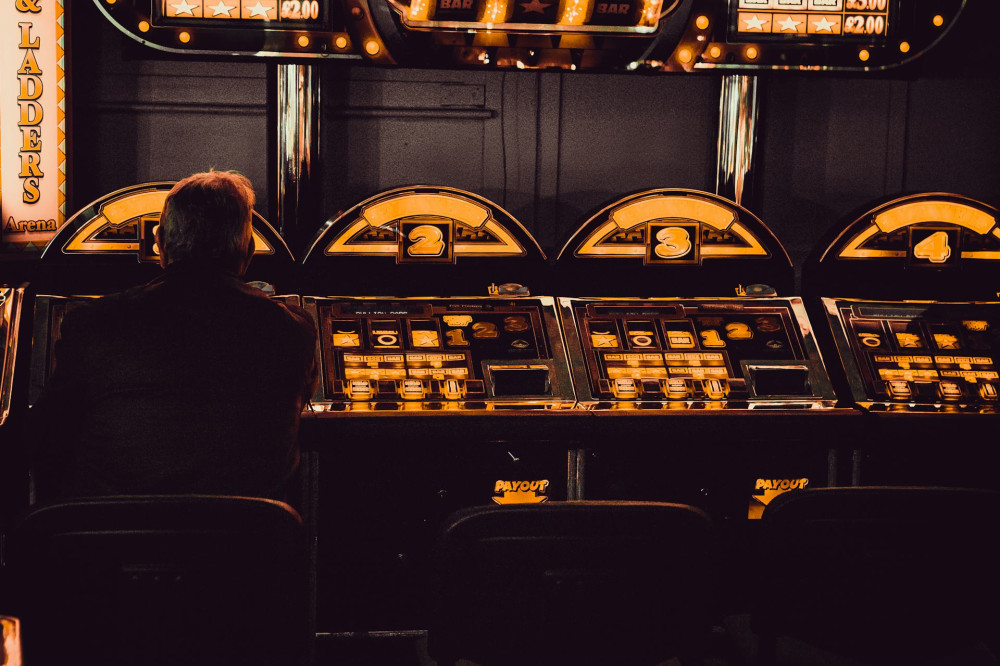
When you spin the reels of a slot machine, it’s not just about luck or the symbols that line up. A big part of the thrill comes from expectation—that rush you feel when you’re one spin away from triggering a bonus round or when a special symbol almost lands in place. Bonuses and reward systems aren’t just extra prizes; they’re carefully designed to influence your experience and keep you engaged. But how exactly do they work—and why do they feel so satisfying?
The Brain Loves Rewards
Every time you hit a bonus in a slot game, your brain releases a small burst of dopamine—the same chemical that fires when you achieve a goal, get a compliment, or enjoy your favorite food. Dopamine is the brain’s way of saying, “That felt good—let’s do it again.”
That’s why bonuses aren’t just financial rewards; they’re emotional ones too. They heighten the experience and make the game feel more exciting because your brain associates them with pleasure and anticipation.
Game developers understand this deeply. They know it’s not only the win itself but also the anticipation of the win that keeps players engaged. That’s why many games include “near-miss” moments—when you’re just one symbol away from a bonus. It builds tension and makes you want to spin again.
Bonus Rounds as Experience Design
In modern slot games, bonuses have evolved into a form of experience design. They break up the rhythm of the base game and add variety, so you’re not just watching reels spin endlessly.
A bonus round can feel like a mini-game within the game—with new rules, visuals, and sound effects that stand apart from the main play. It gives a sense of progression and surprise, much like leveling up in a video game.
Some slots even feature interactive bonuses, where you choose between different options—like treasure chests, wheels, or cards. This gives you a sense of control, even though the outcome is still random. That blend of chance and choice makes the experience more immersive and personal.
The Psychology of Expectation
Expectation is a powerful motivator. When you know a bonus could trigger at any moment, your attention sharpens. It’s a bit like waiting for fireworks on the Fourth of July—you know they’re coming, but not exactly when.
This unpredictability is part of what makes slot games so captivating. The brain reacts more strongly to unexpected rewards than to predictable ones. That means even small wins can feel huge if they arrive at just the right time.
But this is also where caution is needed. Expectation can easily turn into overplay if you start chasing the feeling rather than enjoying the experience. It’s important to know your limits and remember that bonuses are part of the entertainment—not a guarantee of profit.
Bonuses as Part of the Story
Today’s slot games are often built around themes and narratives—from adventure and mythology to movies and pop culture. Bonus rounds are usually woven into these stories.
In an adventure-themed slot, for example, the bonus might be a treasure hunt where you open chests to find gold. In a music-themed slot, the bonus could be accompanied by a special track and dynamic visuals that match the mood.
In this way, bonuses become more than just a technical feature—they’re part of the game’s world. They add rhythm, variety, and a sense of journey, turning modern slots into more than just spinning reels.
Læs også:




Getting the Most Out of the Bonus Experience
If you want to enjoy slot games in a fun and balanced way, focus on the experience rather than the outcome. Here are a few simple tips:
- See bonuses as entertainment, not as a winning strategy.
- Set time and spending limits to stay in control.
- Choose games with themes you enjoy, so the experience itself is rewarding.
- Celebrate the small moments, like unlocking a bonus or discovering a new animation—these are part of the fun.
When you understand how expectation and reward shape your experience, you can enjoy slot games more mindfully. The power of expectation is real—but when used wisely, it can make your playtime more exciting, engaging, and enjoyable.
Læs også: