Bingo and Charity: A Historical Connection


Bingo and Charity: A Historical Connection
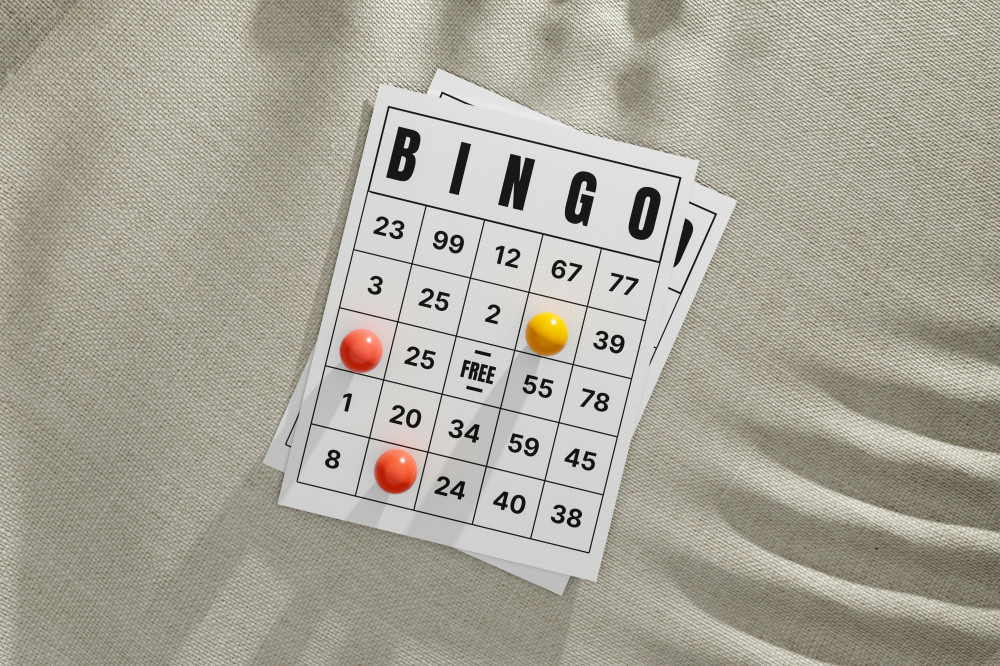
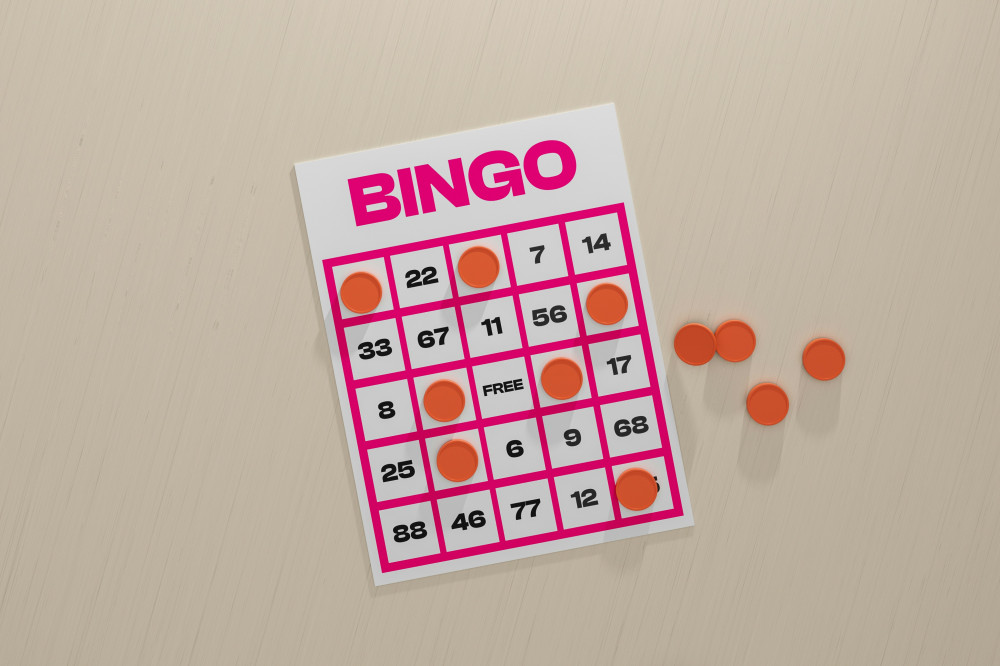
When Americans think of bingo today, they might picture church basements, community centers, or online games filled with laughter and anticipation. But behind the numbered cards and shouted calls lies a long tradition that connects entertainment with generosity. Bingo has never been just a game—it has been a way to bring people together and raise money for good causes.
From Italian Lottery to American Classic
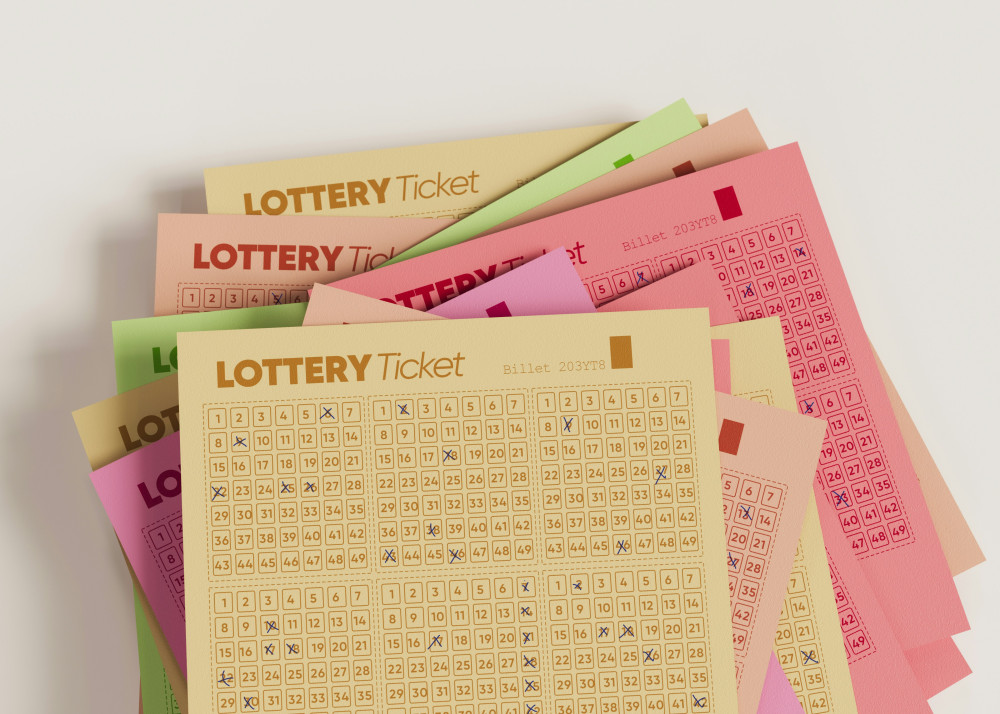
The roots of bingo reach back to 16th-century Italy, where a lottery game called Lo Giuoco del Lotto d’Italia was popular among all social classes. The game spread through Europe, taking on new forms in France and Germany, where it was even used as an educational tool to teach children numbers and spelling.
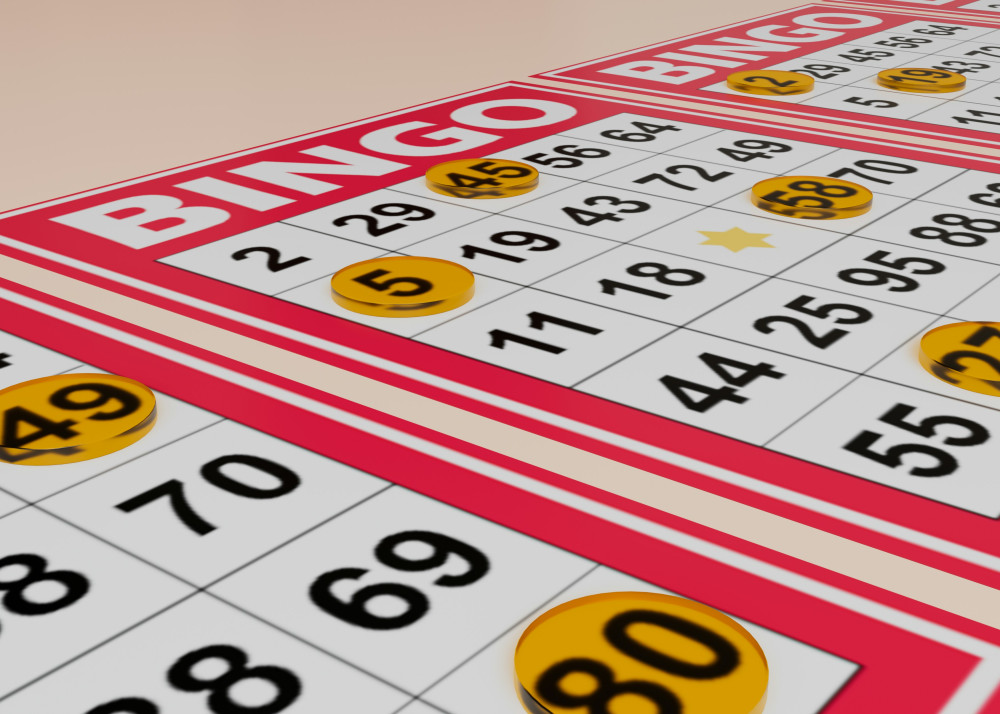
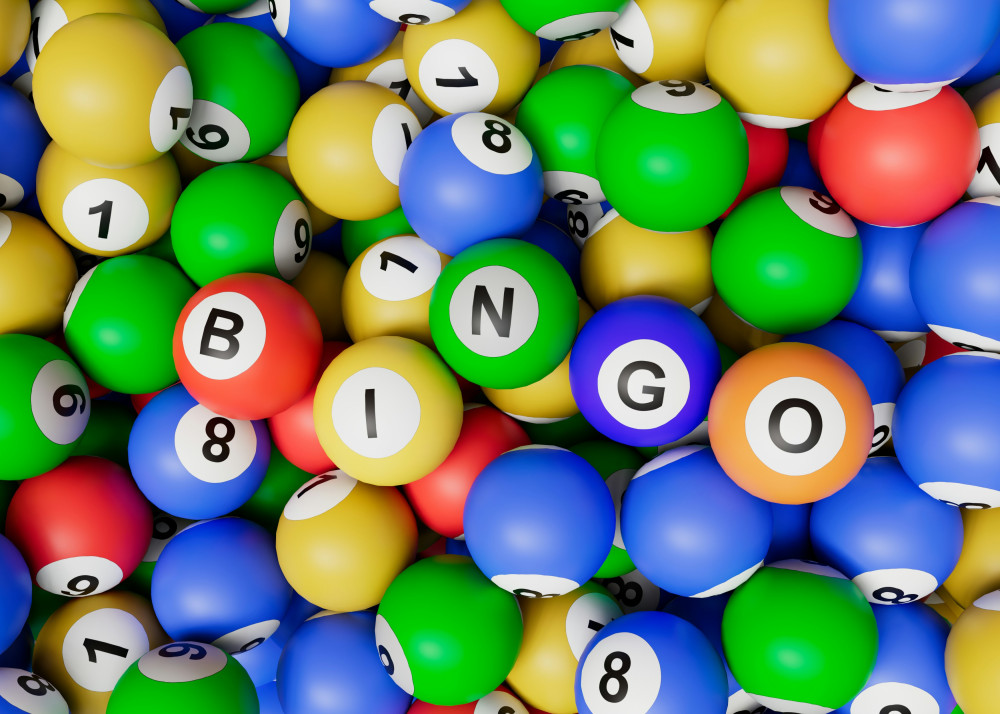
Bingo as we know it today took shape in the United States during the 1920s. A traveling toy salesman named Edwin S. Lowe encountered a similar game at a fair in Georgia, where players shouted “Beano!” when they won. Lowe adapted the game, renamed it “Bingo,” and began selling sets across the country. Its simple rules and social nature made it an instant hit, appealing to people of all ages and backgrounds.
Churches and Community Fundraisers
By the 1930s, American churches and civic organizations had discovered bingo’s potential as a fundraising tool. It was easy to organize, inexpensive to play, and—most importantly—fun. Congregations used bingo nights to raise money for building repairs, youth programs, and charitable outreach. The game quickly became a fixture of community life, especially in small towns and urban neighborhoods where social gatherings were central to local identity.
Over time, bingo spread beyond church halls to schools, veterans’ groups, and nonprofit organizations. The proceeds often supported everything from scholarships and food drives to medical research and disaster relief. For many Americans, bingo became synonymous with giving back.
A Social Gathering with a Purpose
Beyond its financial benefits, bingo has always served a social purpose. It offers a space for connection—neighbors chatting between rounds, families sharing a night out, and seniors finding companionship and routine. In many communities, weekly bingo nights have become cherished traditions that strengthen social bonds and combat loneliness.
This sense of togetherness has made bingo a natural fit for charitable work. Organizations such as the American Legion, Lions Clubs, and local charities have long used bingo to unite people around shared causes. The game’s friendly competition and communal spirit make it an ideal way to raise both funds and morale.
Læs også:
From Hall Games to Online Events
In recent decades, bingo has adapted to new technologies. Electronic bingo machines and online platforms have expanded the game’s reach, allowing players to participate from home or on mobile devices. During the COVID-19 pandemic, virtual bingo nights became a creative way for charities to continue fundraising while keeping communities connected. Whether played in person or online, the essence of bingo remains the same: fun, fellowship, and philanthropy.
Many modern bingo events still dedicate a portion of their proceeds to charitable causes—supporting hospitals, schools, and local initiatives. Even corporate-sponsored bingo nights often include donations to nonprofits, blending entertainment with social responsibility.
A Tradition That Endures
The story of bingo is a reminder that simple pleasures can have lasting impact. From Renaissance Italy to modern America, the game has evolved but never lost its heart. It continues to bring people together, not only for the thrill of winning but for the joy of helping others.
So the next time someone calls out “Bingo!”, it’s more than a sign of luck—it’s an echo of a long-standing tradition where community spirit and charity go hand in hand.
Læs også: