Local Traditions and Language: How They Shape the Bingo Experience

Local Traditions and Language: How They Shape the Bingo Experience
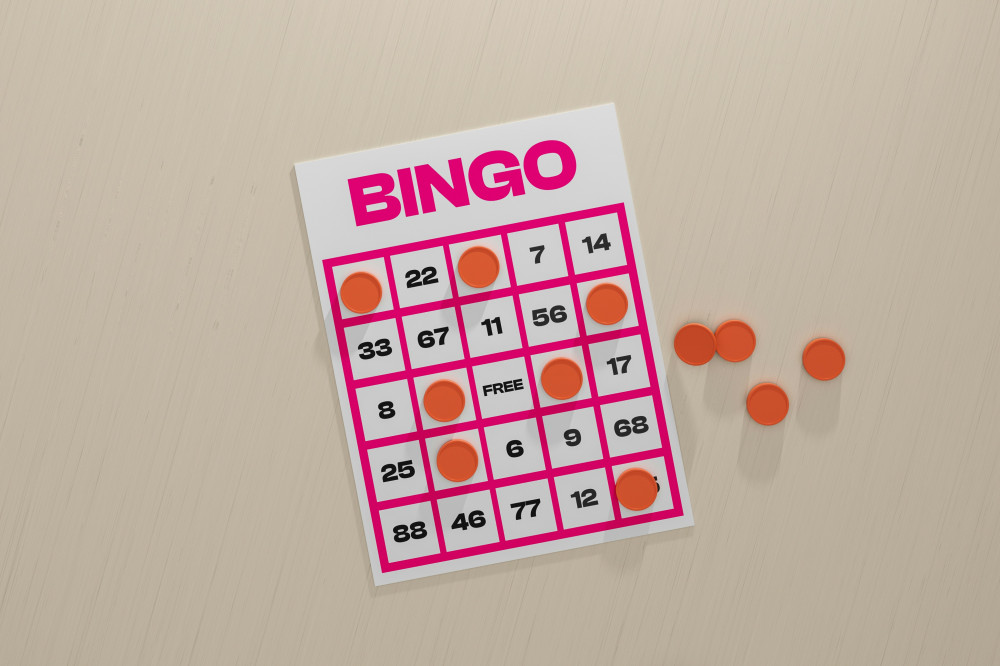
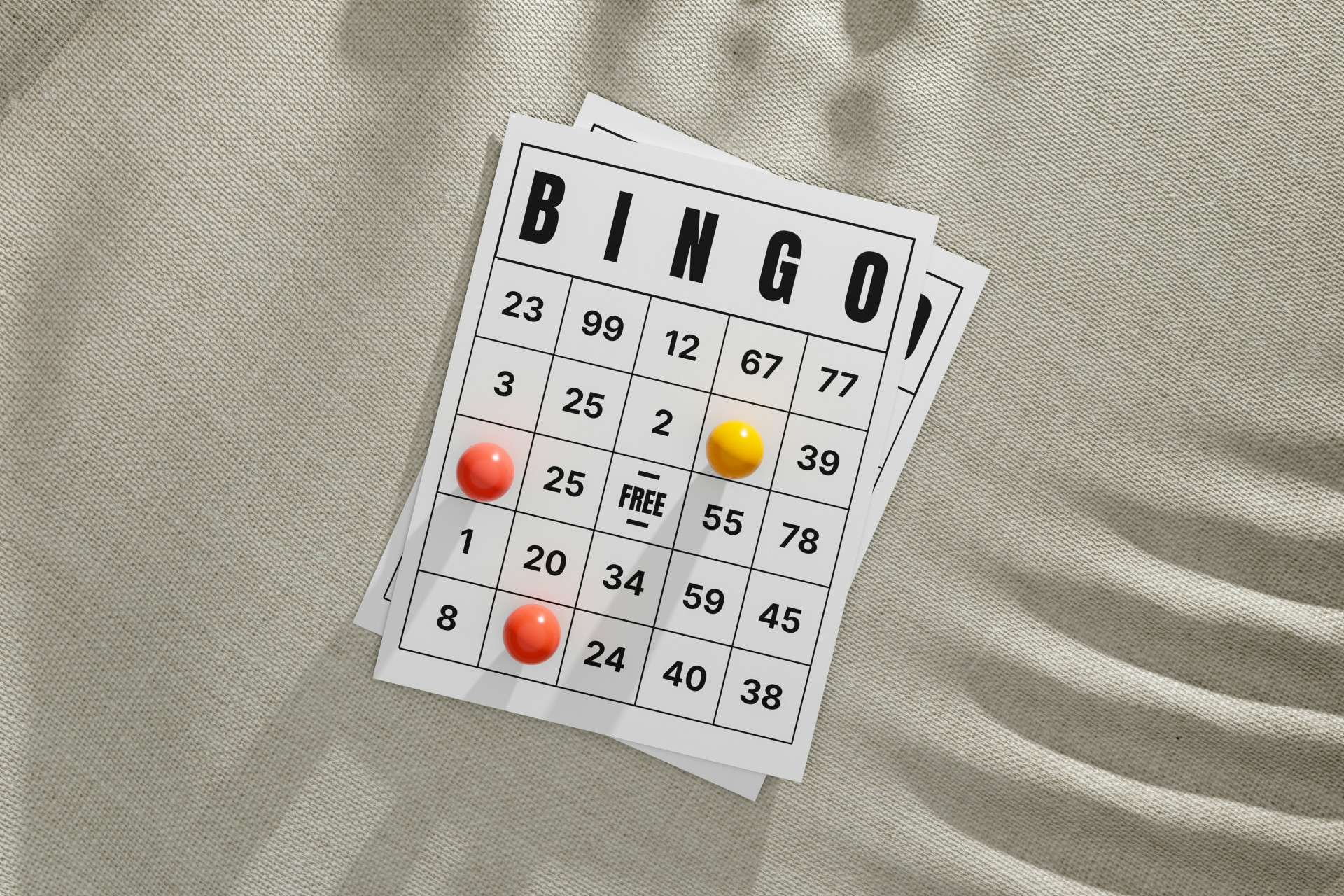
At first glance, bingo might seem the same everywhere: numbers are called, cards are marked, and someone eventually shouts “Bingo!” But beneath that simple structure lies a world of local flavor, humor, and community spirit. Across the United States—from church basements in the Midwest to tribal halls in Oklahoma and community centers in New England—bingo reflects the people and traditions of the places where it’s played.
The Language of the Game
Language gives bingo its personality. In some regions, the caller’s voice carries a familiar accent or local slang that instantly sets the tone. A Southern caller might draw out the numbers with a warm, easy rhythm, while a New Yorker might keep things fast-paced and full of witty remarks. In Native American communities, you might even hear numbers called in both English and a tribal language, blending tradition with play.
The way numbers are announced can turn a simple game into a performance. Some callers have signature phrases or jokes that regulars look forward to each week. The banter between caller and crowd—those quick comments, laughs, and playful groans—creates a shared language that’s unique to each bingo hall.
Traditions That Bring People Together
Bingo in America is more than a pastime; it’s a social ritual. In small towns, Friday night bingo might be a decades-old tradition that brings generations together. Grandparents teach their grandchildren how to play, while neighbors catch up over coffee and homemade desserts. In many church or veterans’ halls, the proceeds go to local causes, turning the game into a form of community support.
In urban areas, bingo has taken on new forms—sometimes with music, themed nights, or charity events—but the sense of togetherness remains. Whether it’s a quiet evening in a parish hall or a lively “drag bingo” night in a city bar, the game adapts to its surroundings while keeping its communal heart.
Læs også:

Humor and Connection
The humor that fills a bingo hall is part of what makes the experience so memorable. The caller often acts as both entertainer and referee, keeping the energy high and the crowd engaged. Players respond with laughter, teasing, and friendly competition. It’s a kind of social theater where everyone participates, and the tone—whether gentle, sarcastic, or exuberant—reflects the local culture.
In some places, the jokes are family-friendly and rooted in tradition; in others, they’re bold and modern. But everywhere, humor serves the same purpose: it breaks down barriers and turns a room full of strangers into a community.
Staying Local in a Digital World
Even as bingo moves online, local traditions continue to shape the experience. Many virtual bingo platforms host region-themed games, use familiar accents for number calling, or feature prizes tied to local businesses. Some community centers stream live bingo nights so that homebound players can still join in. Technology may change how people play, but it hasn’t replaced the sense of belonging that bingo fosters.
A Game That Speaks Many Languages
Bingo’s enduring appeal lies in its simplicity and adaptability. Every community adds its own voice, humor, and rhythm to the game. Whether played in a small-town hall or on a smartphone, bingo remains a celebration of language, laughter, and local identity. It’s not just about winning a prize—it’s about sharing a moment, a story, and a sense of place.
Læs også: