From Past to Present: Historical Games That Shaped Today’s Casino Rules

From Past to Present: Historical Games That Shaped Today’s Casino Rules
When you walk into a modern casino—whether it’s a glittering resort in Las Vegas or an online platform on your phone—you’re stepping into a world built on centuries of gaming tradition. Behind the digital interfaces and flashing lights lies a long history of chance, strategy, and regulation. Many of the rules that govern today’s casino games were shaped by ancient pastimes, cultural exchanges, and evolving laws. This article explores how historical games laid the foundation for the casino rules we know today.
From Ancient Dice to the Birth of Gambling
The earliest evidence of gambling dates back thousands of years. Archaeologists have found dice carved from bone and ivory in ancient Egypt, Greece, and Rome. These early games of chance introduced the concept of randomness—an idea that remains central to every casino game today.
In ancient Rome, gambling was so widespread that authorities tried to control it through bans and fines. Yet even then, exceptions were made for certain festivals, and informal “licenses” were granted to allow regulated play. This early attempt at oversight foreshadowed the licensing systems that now govern casinos across the United States.
The Journey of Playing Cards Through the Ages
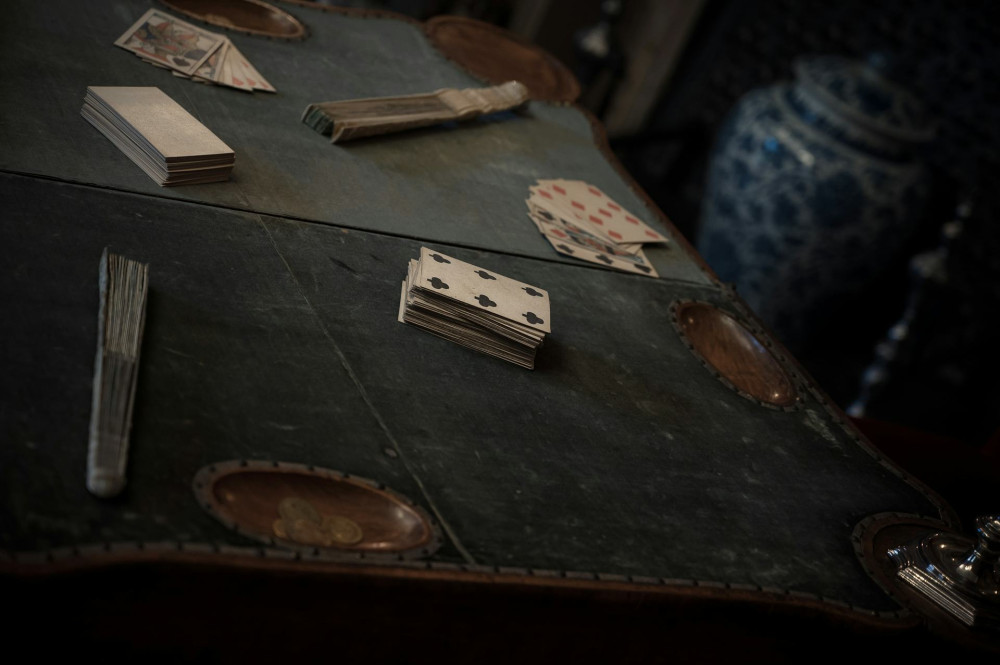
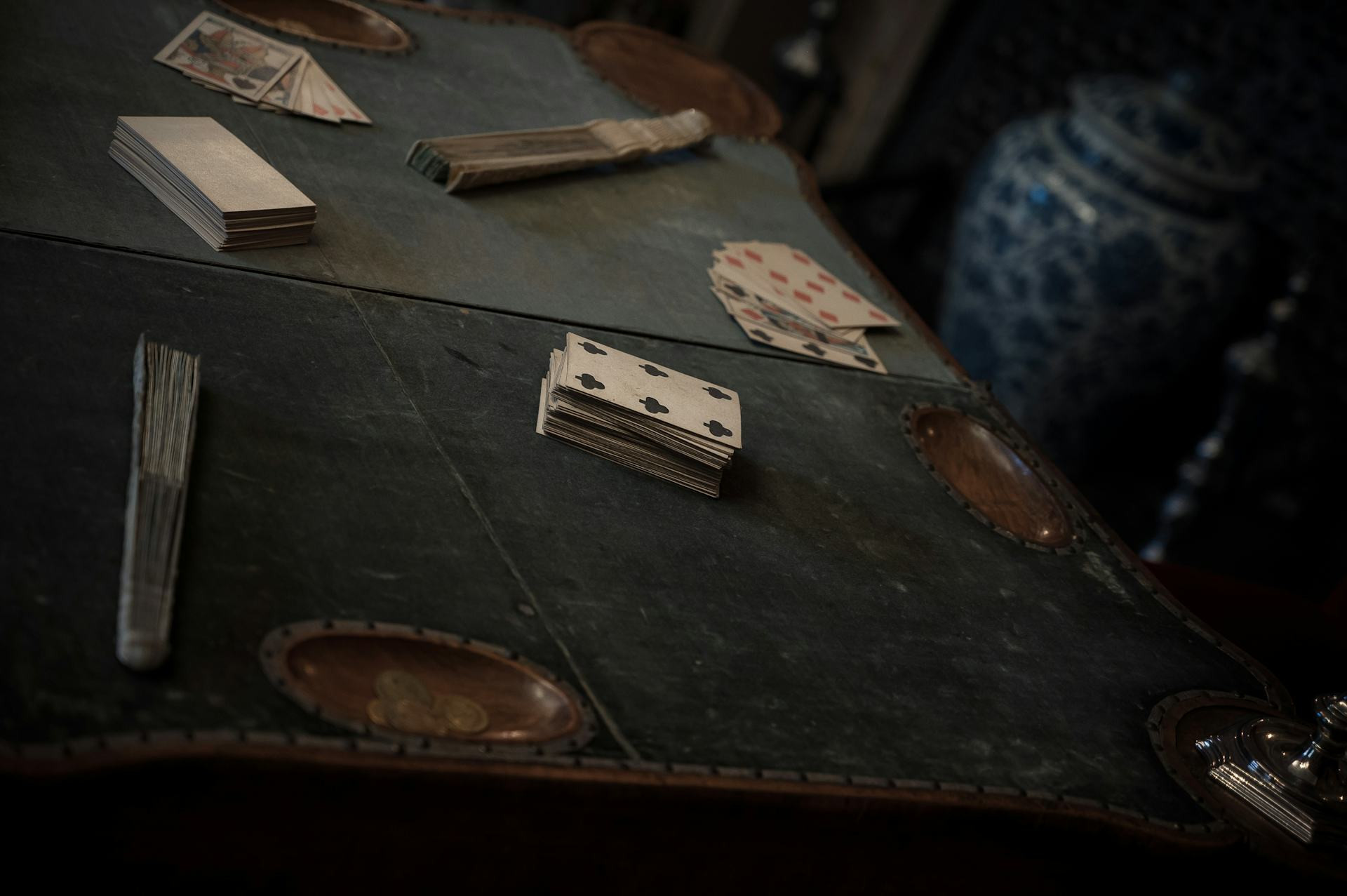
Playing cards arrived in Europe from Asia around the 14th century, likely through trade routes connecting the Middle East and the Mediterranean. Initially a luxury for the elite, cards became widely accessible after the invention of the printing press. Games like baccarat and vingt-et-un—the ancestor of blackjack—flourished in French salons during the 1700s.
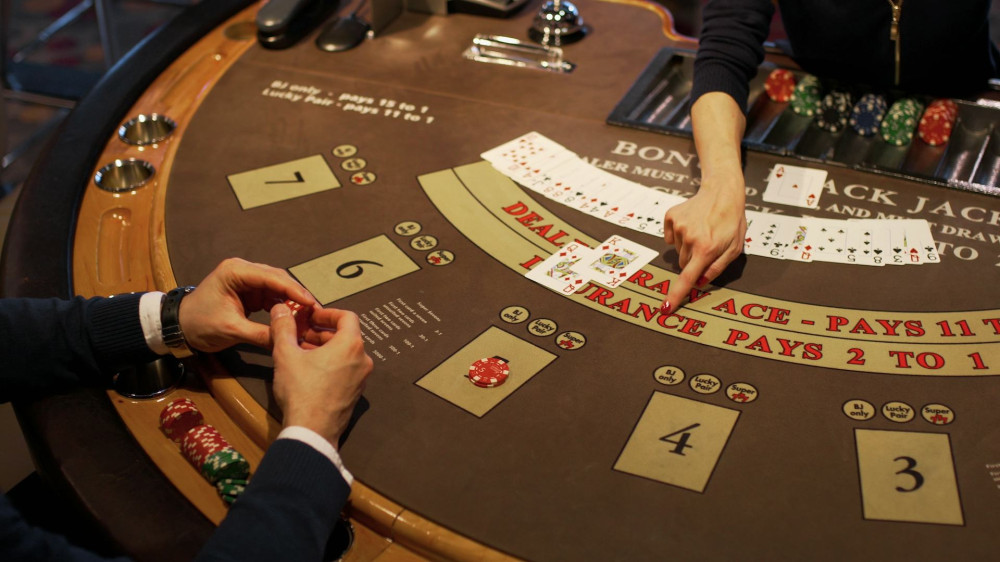
It was during this period that many of the first standardized card rules were written down. These included how dealers should draw cards, how bets should be placed, and how winnings should be paid out. When you sit at a blackjack table in a modern casino, you’re following principles that were first codified more than two centuries ago.
Roulette: From Scientific Curiosity to Casino Icon
Roulette’s story begins in 17th-century France, where mathematician Blaise Pascal accidentally created the first roulette wheel while experimenting with perpetual motion. Over time, the game evolved into the version we recognize today, thanks to the Blanc brothers, who introduced the single-zero wheel in the 1800s.
Roulette quickly became a symbol of sophistication and risk. To ensure fairness, casinos introduced standardized wheels, fixed payouts, and strict betting procedures. These measures established the foundation for modern casino regulation—ensuring transparency, consistency, and trust between players and the house.
Poker and the American Influence
While Europe refined games like roulette and baccarat, the United States gave rise to poker. Emerging in the early 19th century along the Mississippi River, poker spread through riverboats, saloons, and military camps. It was a game of skill, bluff, and nerve—perfectly suited to the American frontier spirit.
As poker’s popularity grew, so did the need for standardized rules. By the early 20th century, official tournaments had established consistent hand rankings, betting structures, and dealer responsibilities. These rules became the backbone of casino poker and later influenced online versions. The American emphasis on “fair play” and “house rules” helped shape the global gaming industry’s approach to regulation and integrity.
Læs også:




From Prohibition to Regulation: The Legal Evolution
The history of gambling is also a story of law and morality. For much of the 19th and early 20th centuries, gambling was outlawed in many parts of the United States. Yet underground games thrived, proving that prohibition couldn’t extinguish the human appetite for risk.
In 1931, Nevada legalized casino gambling, transforming Las Vegas into the world’s gaming capital. This shift marked a turning point: rather than banning gambling, states began to regulate it. Licensing, taxation, and oversight became tools to ensure fairness and generate public revenue. These principles remain at the heart of U.S. gaming law today, from brick-and-mortar casinos to online platforms.
Digital Casinos: Old Rules in a New Era
Technology has revolutionized how we play, but not what we play. Online casinos still rely on the same mathematical probabilities, betting limits, and fairness standards that evolved over centuries. The difference is that these rules are now enforced by algorithms and monitored by digital regulators.
Modern technology also allows for greater player protection. Data analytics can detect problem gambling patterns, and licensing authorities can ensure compliance across borders. In many ways, the digital age represents the latest chapter in a long story of balancing excitement with responsibility.
Games as a Reflection of Society
The evolution of casino games mirrors the evolution of society itself. From ancient dice to virtual slots, gambling has always reflected humanity’s relationship with chance, risk, and reward. The rules we follow today are not arbitrary—they are the product of centuries of adaptation, negotiation, and cultural exchange. As casinos continue to evolve, one thing remains constant: the enduring human fascination with the thrill of the game, guided by rules that connect our past to our present.
Læs også: