Roulette and Risk-Taking: Develop Your Own Playing Style

Roulette and Risk-Taking: Develop Your Own Playing Style
Roulette is one of the most iconic casino games—a blend of chance, excitement, and personal strategy, all wrapped up in the spin of a wheel. For some, it’s about the thrill of watching the ball bounce from pocket to pocket. For others, it’s about understanding probabilities and managing bets with discipline. No matter what kind of player you are, you can develop a playing style that fits your personality and your comfort level with risk.
Understanding the Game
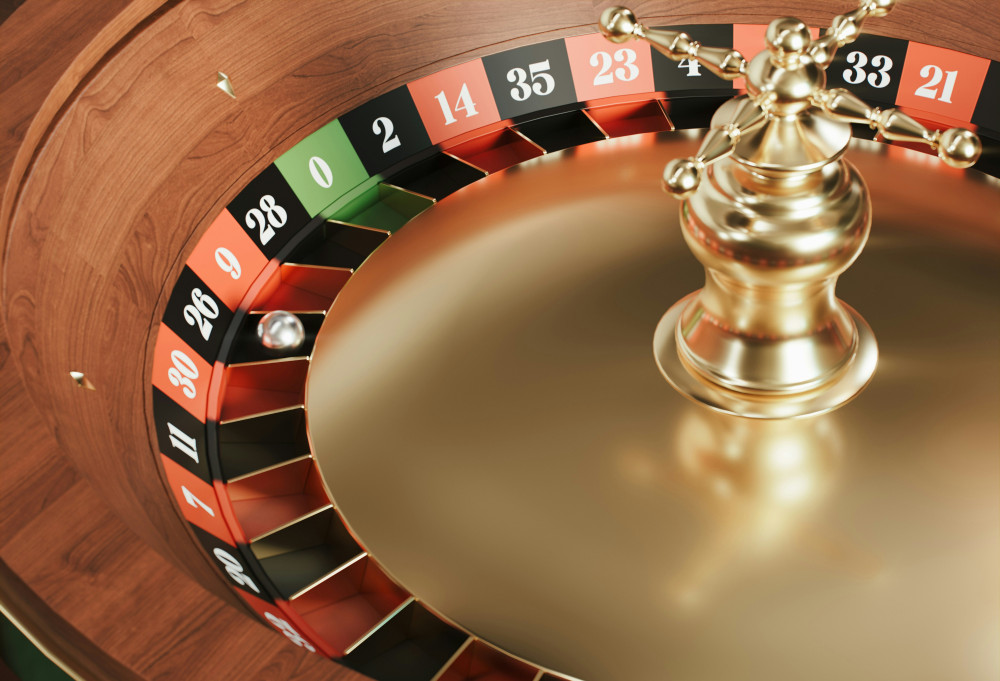
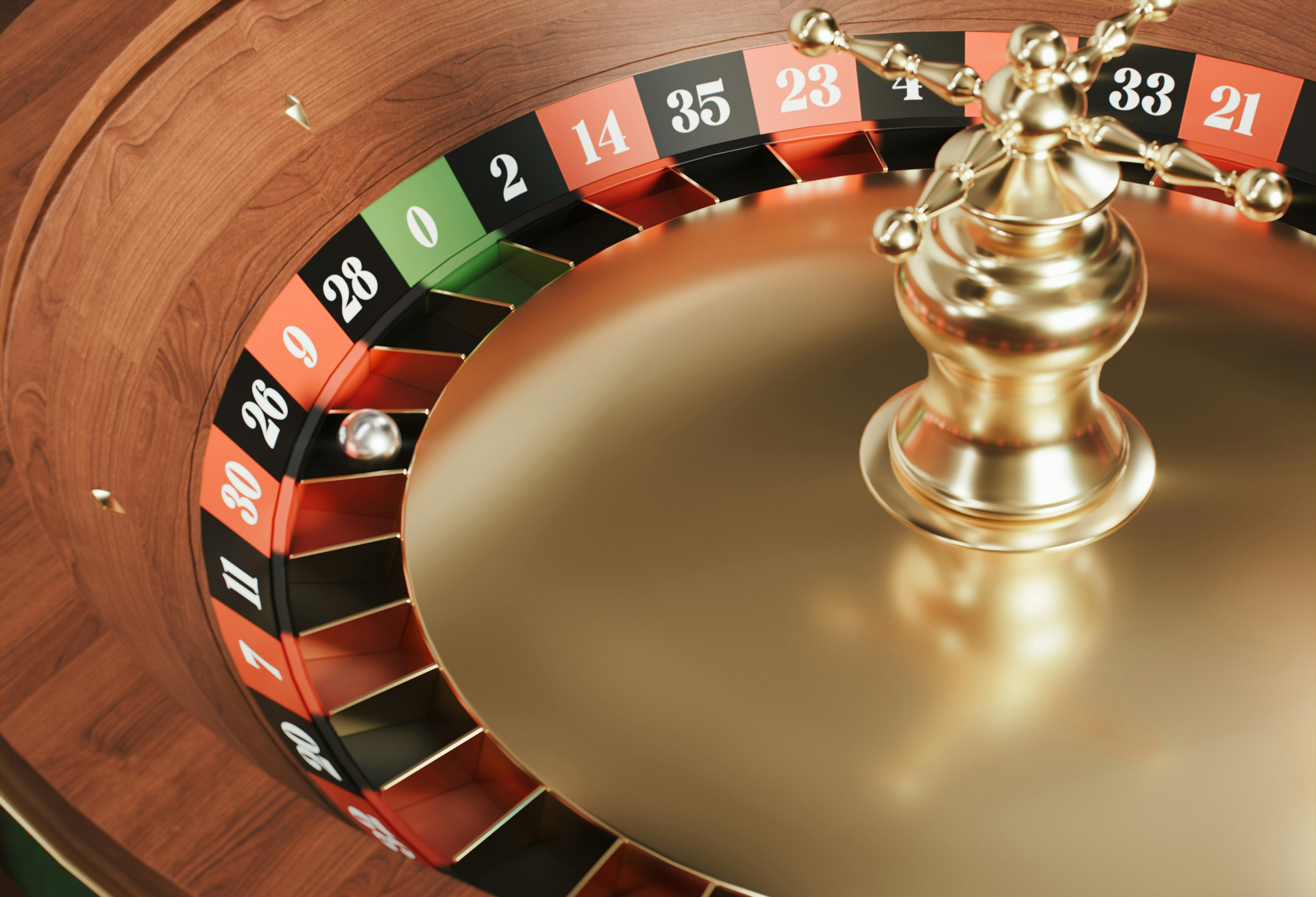
At its core, roulette is a game of probability. The wheel has 38 pockets in the American version (numbers 1–36, plus 0 and 00) and 37 in the European version (with only one zero). Each spin is independent, and no system can predict where the ball will land. What you can control is how you play—and how you handle risk.
There are two main types of bets:
- Inside bets – wagers placed on specific numbers or small combinations. These offer higher payouts but lower odds of winning.
- Outside bets – wagers on larger groups, such as red/black, odd/even, or high/low numbers. These have better chances of winning but smaller payouts.
Knowing the difference is the first step toward finding your own balance between risk and reward.
Læs også:




Know Your Risk Tolerance
Roulette can be played in many ways, and your approach depends on how comfortable you are with risk. Some players thrive on taking chances and chasing big wins, while others prefer a steadier, more controlled experience.
- The cautious player tends to stick with outside bets and smaller wagers. The goal is to play longer and enjoy the game without major swings.
- The adventurous player goes for inside bets and bigger payouts. The game feels more intense—but also more unpredictable.
- The analytical player tries to mix both approaches, perhaps using betting systems like Martingale or Fibonacci, where the bet size changes after each result. These systems require discipline and an understanding that no strategy can guarantee a win.
Recognizing your own risk profile helps you choose a playing style that feels natural—and keeps the game fun.
Develop Your Own Strategy
Even though roulette is ultimately a game of chance, you can still create a personal strategy that fits your mindset. It’s not about “beating the system,” but about bringing structure and awareness to your play.
Consider the following:
- Set a budget – decide in advance how much you’re willing to spend, and stick to it.
- Find your rhythm – play at a pace that lets you enjoy the experience, rather than chasing quick wins or reacting to losses.
- Mix your bets – experiment with both safer and riskier bets to find a balance that suits you.
- Take breaks – roulette is most enjoyable when you play with a clear head.
A good strategy is as much about self-control as it is about numbers and probabilities.
Play Mindfully—Not Emotionally
It’s easy to get caught up in the excitement and try to win back losses. But roulette rewards patience and composure. Playing mindfully means accepting that outcomes are random—and that the enjoyment comes from the experience itself.
If you ever feel the game is taking up too much of your time or focus, take a break. Many online casinos in the U.S. offer tools to set limits on spending or playing time—use them. Roulette should be entertainment, not a source of stress.
Find Your Own Playing Style
There’s no single “right” way to play roulette. Some players always bet on their favorite number, others follow patterns, and some simply go with their intuition. What matters most is that you play in a way that feels right for you—aware of both the risks and the fun.
In the end, roulette is about balance: between luck and strategy, between excitement and control. When you find your own rhythm, the game becomes more than just a chance to win—it becomes an experience in itself.
Læs også: