New to the Table? Learn How to Navigate the Roulette Table

New to the Table? Learn How to Navigate the Roulette Table
Roulette is one of the most iconic games in the casino world. The spinning wheel, the bouncing white ball, and the colorful layout create an atmosphere of excitement and anticipation that few other games can match. But if you’re new to the table, it can all seem a bit confusing. Where do you place your chips? What do the different sections mean? And how does the game actually work? Here’s a step-by-step introduction to help you find your way around the roulette table.
The Wheel and the Table – Two Sides of the Same Game
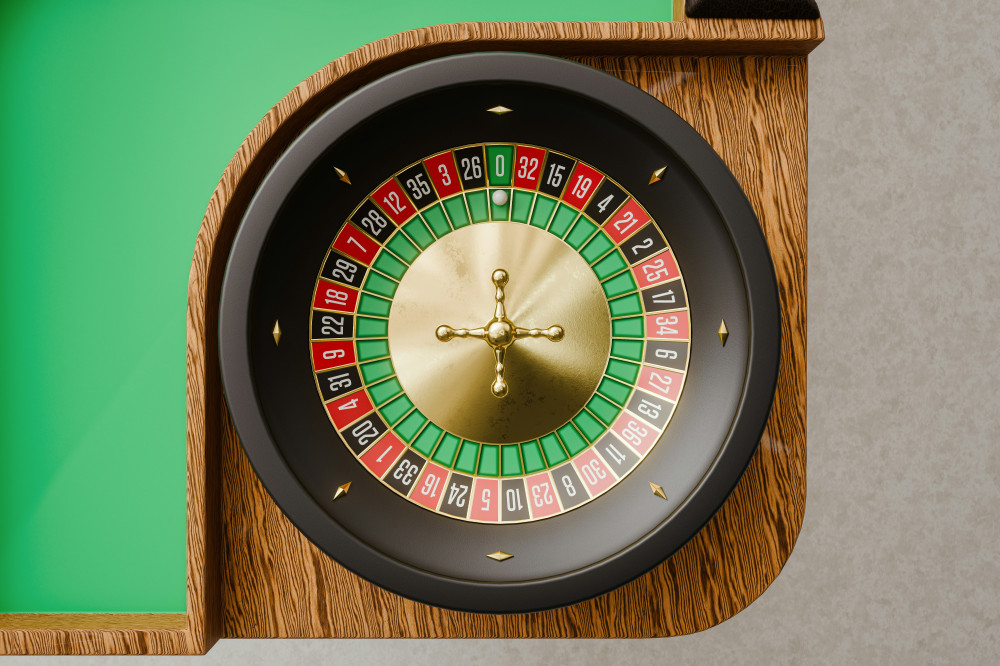
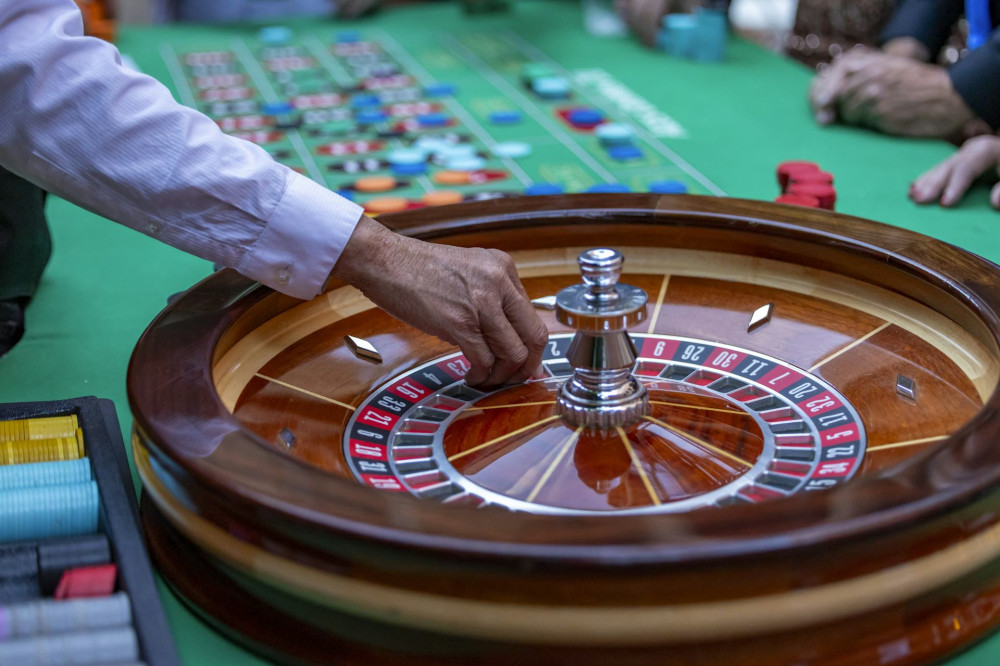
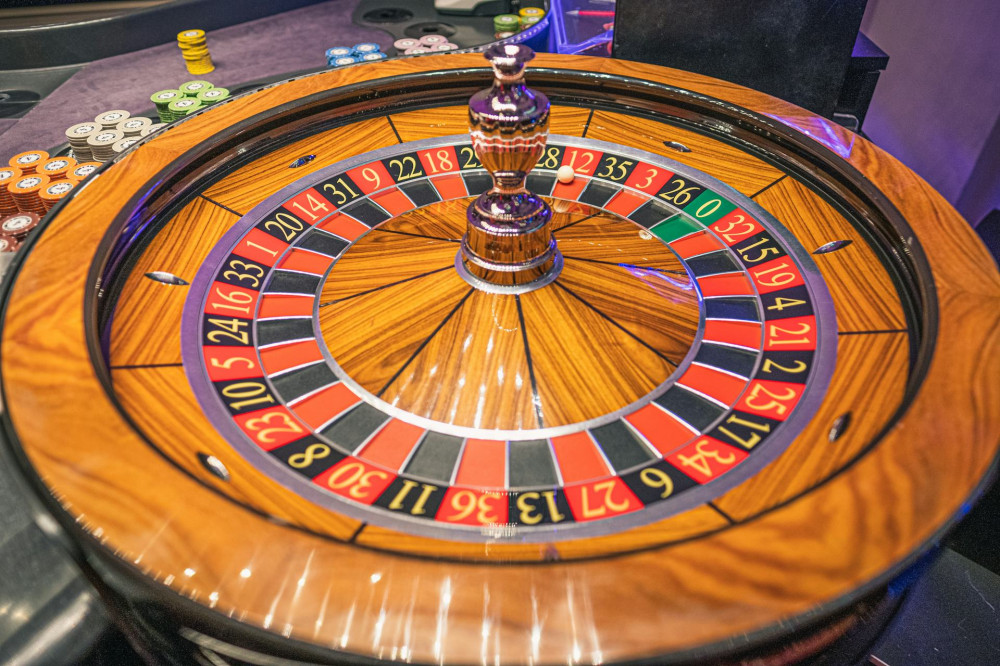
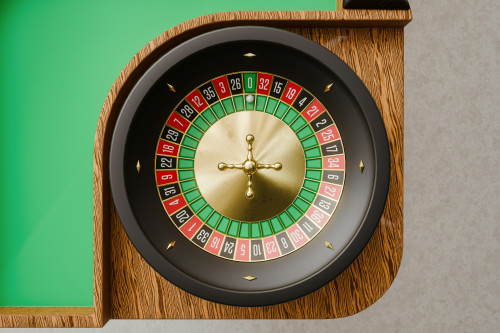
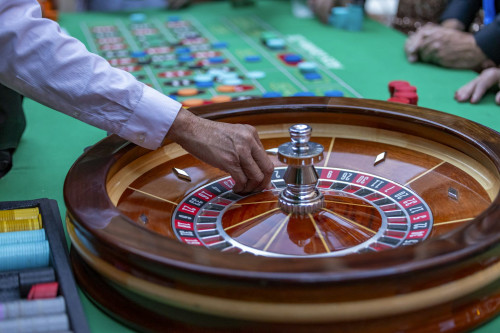
Roulette consists of two main parts: the wheel and the table. The wheel is divided into numbered pockets, while the table displays the same numbers and colors where players place their bets.
There are two main types of roulette you’ll find in U.S. casinos:
- American Roulette – features 38 pockets (numbers 1–36, plus 0 and 00). The extra green 00 slightly increases the house edge.
- European Roulette – features 37 pockets (numbers 1–36 and a single 0). This version offers better odds for players, though it’s less common in the U.S.
The numbers on the wheel aren’t arranged in numerical order but in a pattern designed to balance high and low numbers as well as red and black pockets.
How a Round Works
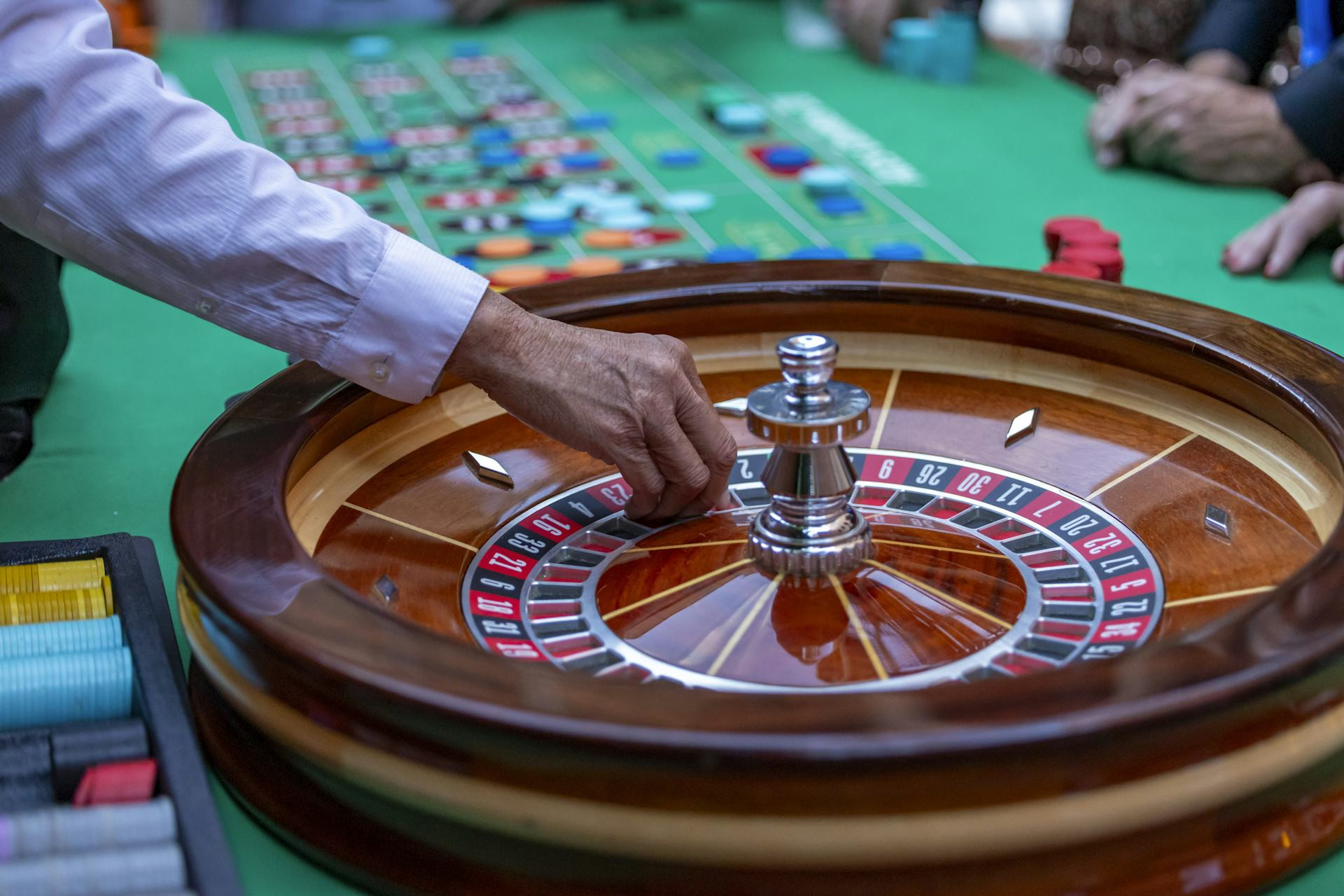
Once all players have placed their bets on the table, the dealer (also called the croupier) spins the wheel and launches the ball in the opposite direction. After a few seconds, the ball slows down and lands in one of the numbered pockets. The number and color where the ball lands determine the winning outcome.
If your bet matches the result, you’ll be paid according to the odds for that type of wager.
Types of Bets: From Safe to Risky
The roulette table offers a wide range of betting options, which can be divided into two main categories:
1. Inside Bets
These are placed directly on the numbers on the table. They offer higher payouts but lower chances of winning.
- Straight Up – a bet on a single number (pays 35:1).
- Split – a bet on two adjacent numbers (17:1).
- Street – a bet on three numbers in a row (11:1).
- Corner – a bet on four numbers that meet at a corner (8:1).
- Line – a bet on six numbers in two adjacent rows (5:1).
2. Outside Bets
These cover larger groups of numbers and offer lower, but more frequent, payouts.
- Red or Black – bet on the color of the winning pocket (1:1).
- Even or Odd – bet on whether the winning number will be even or odd (1:1).
- High or Low – bet on 1–18 or 19–36 (1:1).
- Dozens – bet on one of three groups of 12 numbers (2:1).
- Columns – bet on one of the three vertical columns of numbers (2:1).
If you’re new to roulette, it’s a good idea to start with outside bets. They give you a better feel for the game’s rhythm and probabilities.
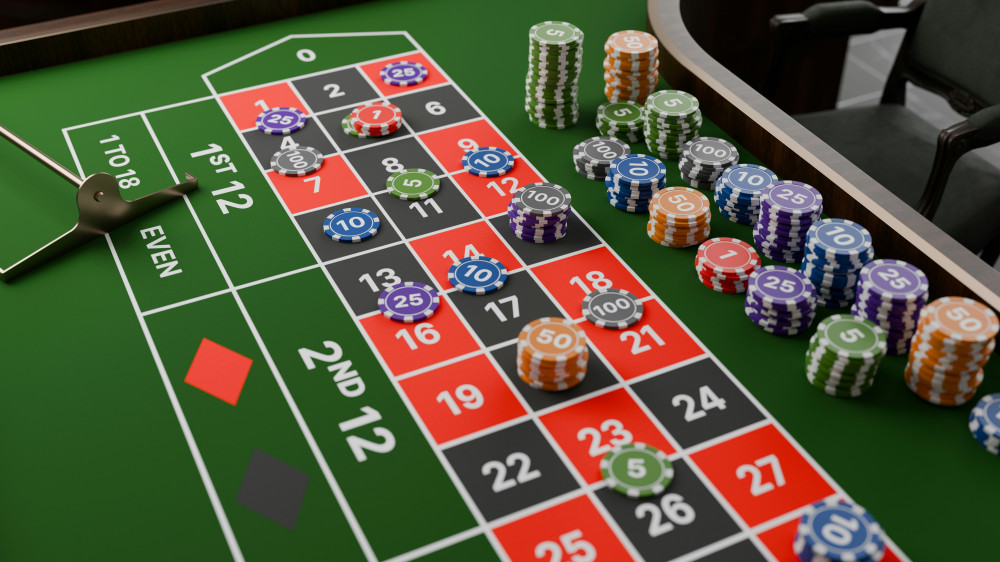
Understanding the Table Layout
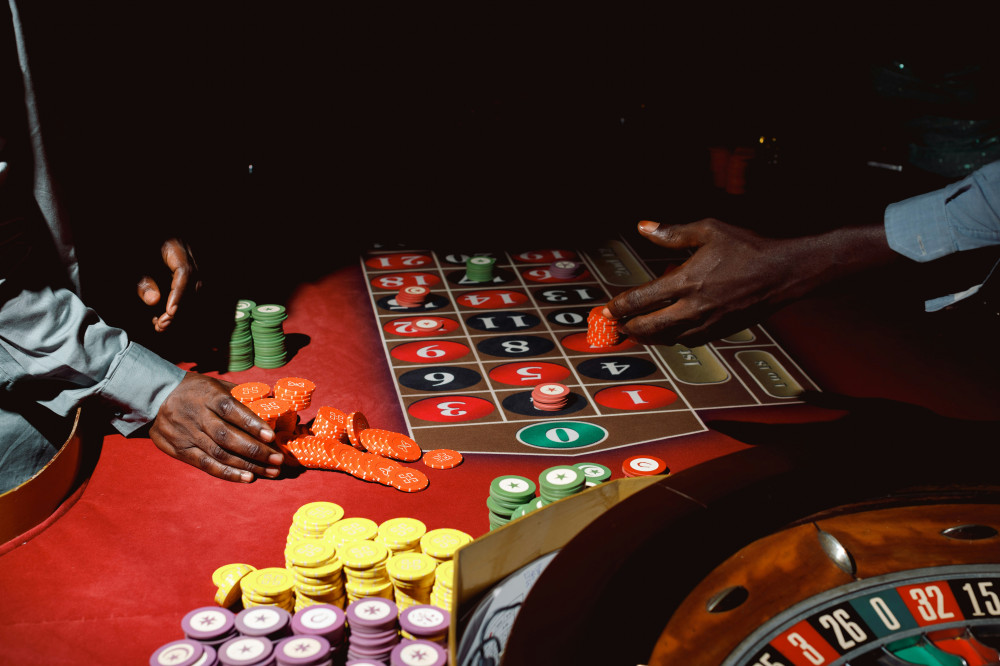
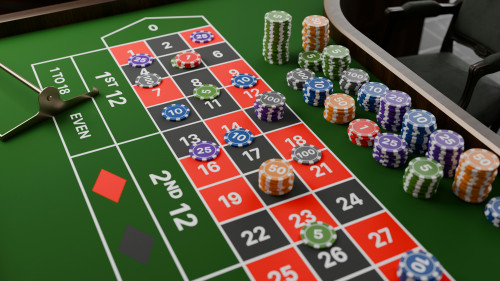
At first glance, the roulette table can look intimidating, but it’s actually quite logical. The main grid with numbers 0–36 is for inside bets, while the sections along the edges are for outside bets.
The green pockets marked 0 (and 00 in American roulette) represent the house edge. They don’t belong to red/black or even/odd categories, which means that even the safest bets carry some risk.
Table Etiquette – How to Behave at the Table
Roulette is a social game, and following a few simple etiquette rules makes the experience more enjoyable for everyone:
- Wait until the dealer announces that bets are open before placing your chips.
- When the dealer calls “no more bets,” keep your hands off the table.
- If you win, let the dealer pay out your winnings—don’t grab chips from the table yourself.
- Be polite to the dealer and other players. Roulette is as much about atmosphere as it is about luck.
Læs også:
Tips for New Players
While roulette is largely a game of chance, you can still play smart:
- Learn the rules – understand the different types of bets before you start playing.
- Set a budget – decide how much you’re willing to spend and stick to it.
- Start small – place modest bets until you’re comfortable with the flow of the game.
- Choose European roulette when available – the lower house edge gives you slightly better odds over time.
Roulette Is About the Experience
Roulette combines excitement, elegance, and unpredictability. It’s easy to learn but hard to master—and that’s part of its charm. Once you understand how the table works, you can relax, enjoy the atmosphere, and let the spinning wheel decide your fate.
Læs også: