Roulette Across Cultures: How the Odds and Game Presentation Differ


Roulette Across Cultures: How the Odds and Game Presentation Differ
Roulette is one of the most recognizable casino games in the world—a symbol of glamour, chance, and anticipation. Yet, while the spinning wheel and bouncing ball are universal icons, the way the game is played and presented varies widely from one culture to another. From the refined salons of Monte Carlo to the buzzing floors of Las Vegas and the high-tech casinos of Macau, roulette takes on a distinct local flavor. Let’s explore how the odds, rules, and atmosphere shift depending on where you play.
European Roulette – Tradition and Balance
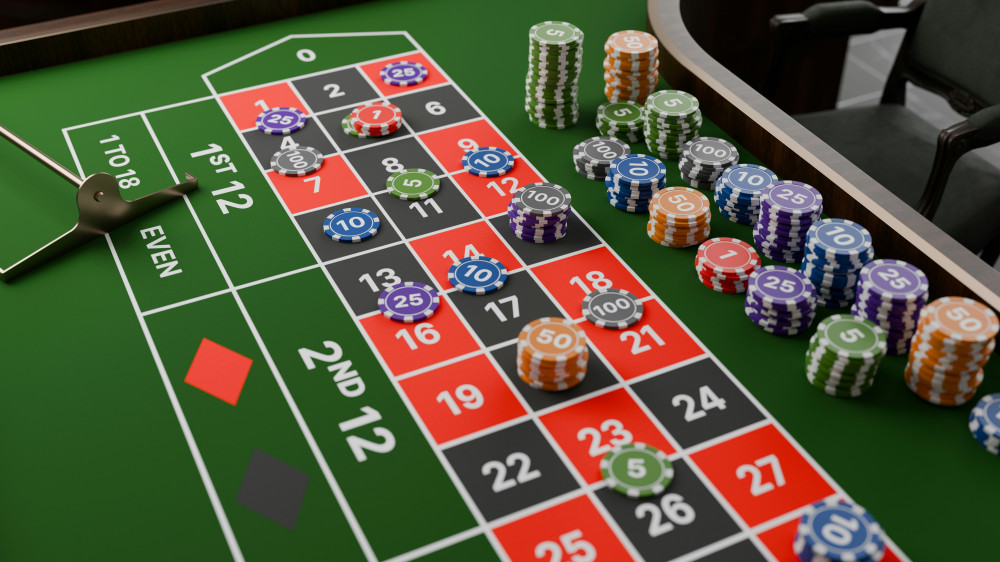
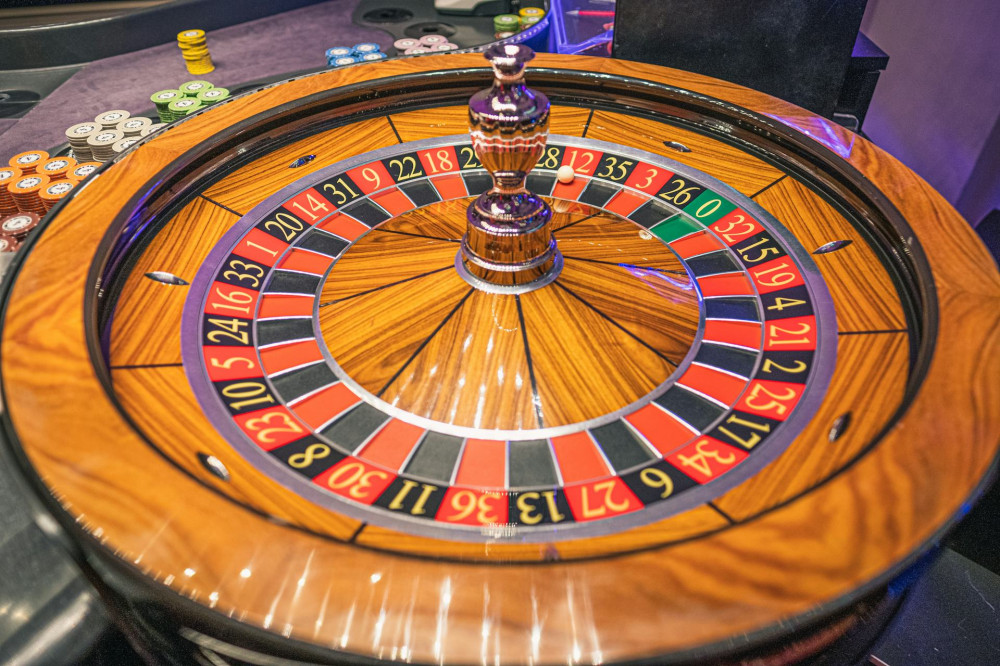
European roulette is often considered the “classic” version of the game. The wheel features 37 pockets—numbers 1 through 36 plus a single zero. This setup gives the house a 2.7% edge, making it one of the more favorable games for players in the casino.
In Europe, roulette is closely associated with elegance and tradition. Casinos in cities like Monte Carlo, London, and Baden-Baden emphasize etiquette and composure. The croupier manages the game with precision, and the atmosphere tends to be calm and formal. Players often take their time placing bets, focusing on strategy rather than speed. The experience is as much about sophistication as it is about winning.
American Roulette – Faster Pace, Higher Stakes
When roulette crossed the Atlantic in the 19th century, it evolved to suit American tastes for excitement and risk. The most notable difference is the addition of a double zero (00) on the wheel, bringing the total to 38 pockets. This change increases the house edge to 5.26%, nearly doubling it compared to the European version.
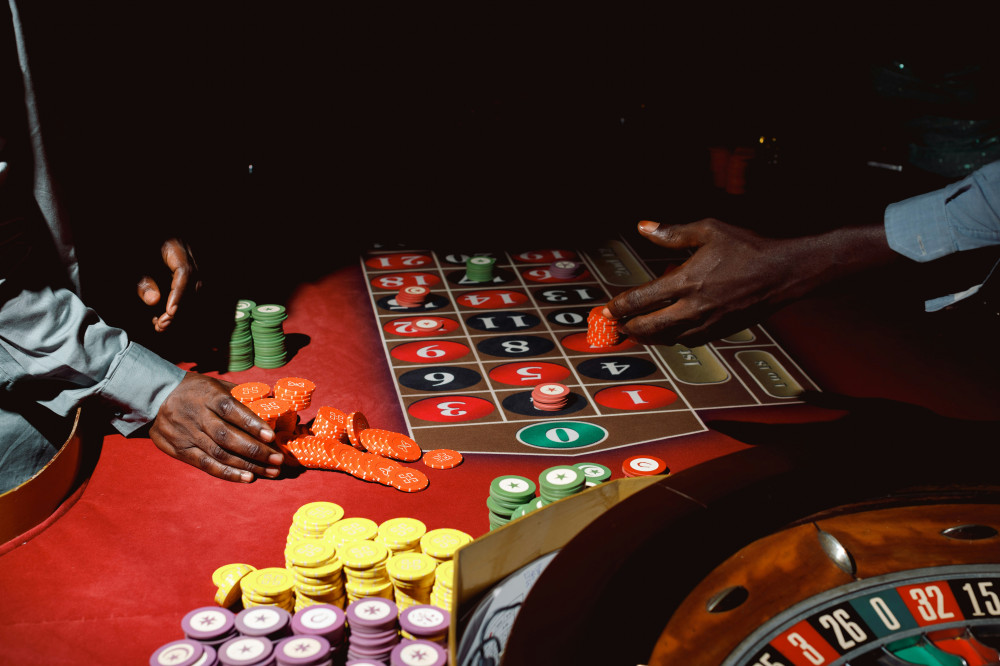
In Las Vegas, Atlantic City, and tribal casinos across the U.S., roulette is often part of a lively, social environment. The music is louder, the pace quicker, and the players more animated. Many American casinos also feature electronic or “stadium” roulette setups, allowing multiple players to join in simultaneously. The focus is on entertainment and energy—an experience that fits perfectly with the American casino spirit.
Læs også:

French Roulette – Elegance with a Twist
French roulette closely resembles the European version but includes a few special rules that make it particularly appealing to seasoned players. The “La Partage” and “En Prison” rules come into play when the ball lands on zero. Depending on the rule, players either get half their even-money bet back or have it “imprisoned” for the next spin, effectively reducing the house edge even further.
The French version is often played in more exclusive settings, and the use of French terminology—such as rouge et noir (red and black) or pair et impair (even and odd)—adds to its refined atmosphere. It’s a nod to the game’s origins in 18th-century France, where roulette first became a symbol of high society.
Asian Roulette – Technology and Symbolism
In Asia, particularly in Macau and Singapore, roulette has embraced modern technology. Many casinos feature hybrid setups where players place bets on digital screens while a physical wheel determines the outcome. This allows for faster play and accommodates large groups of players at once.
Cultural beliefs also influence how the game is played. Numbers and colors carry symbolic meanings—8 is considered lucky, while 4 is often avoided due to its association with bad luck. These traditions shape betting patterns and add a layer of cultural depth to the game. The result is a blend of cutting-edge technology and ancient symbolism that makes Asian roulette a unique experience.
Online Roulette – A Global Game with Local Touches
The rise of online casinos has turned roulette into a truly global pastime. Players from around the world can now join live tables streamed from studios in Europe, the U.S., or Asia. Most platforms offer multiple versions—European, American, and French—along with creative twists like “Speed Roulette” or “Lightning Roulette,” which add multipliers and bonus features.
Even online, cultural preferences shine through. American sites often emphasize fast gameplay, bold graphics, and promotional bonuses, while European platforms tend to highlight realism and classic design. Asian operators, meanwhile, integrate vibrant visuals and community-oriented features. The digital age has made roulette more accessible than ever, while still reflecting the diversity of its players.
One Game, Many Faces
Whether you’re spinning the wheel in Las Vegas, Monte Carlo, or from your living room, roulette remains a game that transcends borders. Its variations tell a story of how culture shapes even the most universal forms of entertainment. Yet, no matter the version or setting, the thrill is the same: that fleeting moment when the ball slows, everyone holds their breath, and anything seems possible.
Læs også: