Storytelling in the Casino World: How Marketing Creates a Cohesive Experience


Storytelling in the Casino World: How Marketing Creates a Cohesive Experience
When most people think of casinos—whether in Las Vegas or online—they picture flashing lights, jackpots, and the thrill of chance. But behind the excitement lies something more deliberate: a carefully crafted story. In today’s casino industry, marketing isn’t just about promoting bonuses or new games; it’s about building a complete experience where players feel part of a narrative. Storytelling has become a key tool for creating loyalty, recognition, and emotional connection.
From Games to Narratives – Why the Story Matters
In a highly competitive market, offering the same games as everyone else isn’t enough. Players are looking for experiences that feel personal and immersive. That’s where storytelling comes in. A strong narrative gives a casino its own identity—whether it’s a glamorous Vegas-style world, a futuristic digital realm, or a nostalgic throwback to classic Americana.
When a brand tells a cohesive story, the player becomes more than a customer—they become a participant. Every spin, every campaign, and every visual element contributes to a larger journey. The story gives meaning to the experience and makes the brand memorable.
The Visual Story – Design as an Emotional Anchor
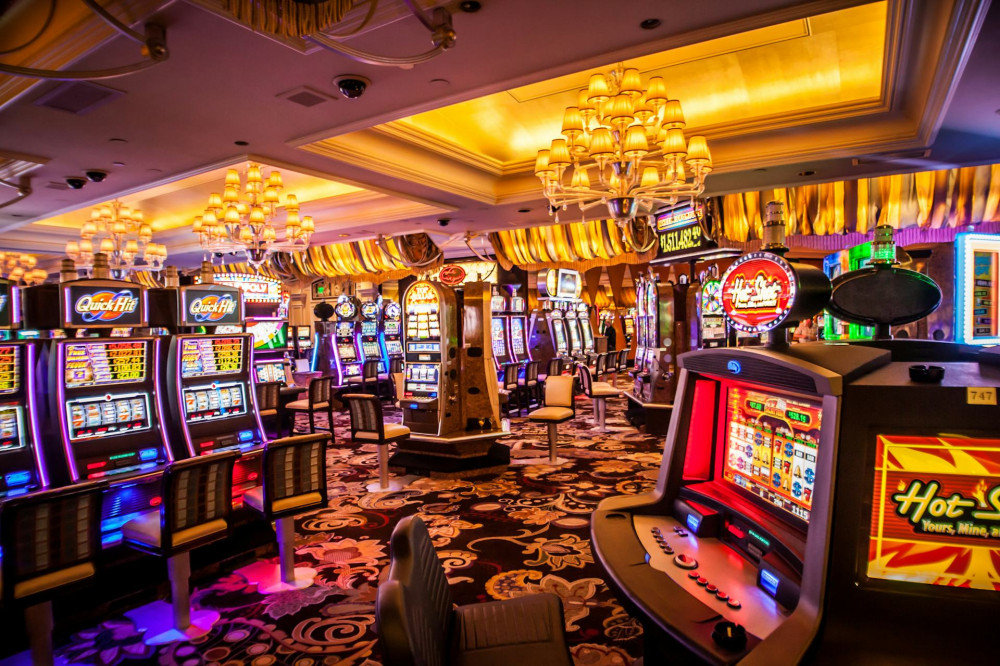
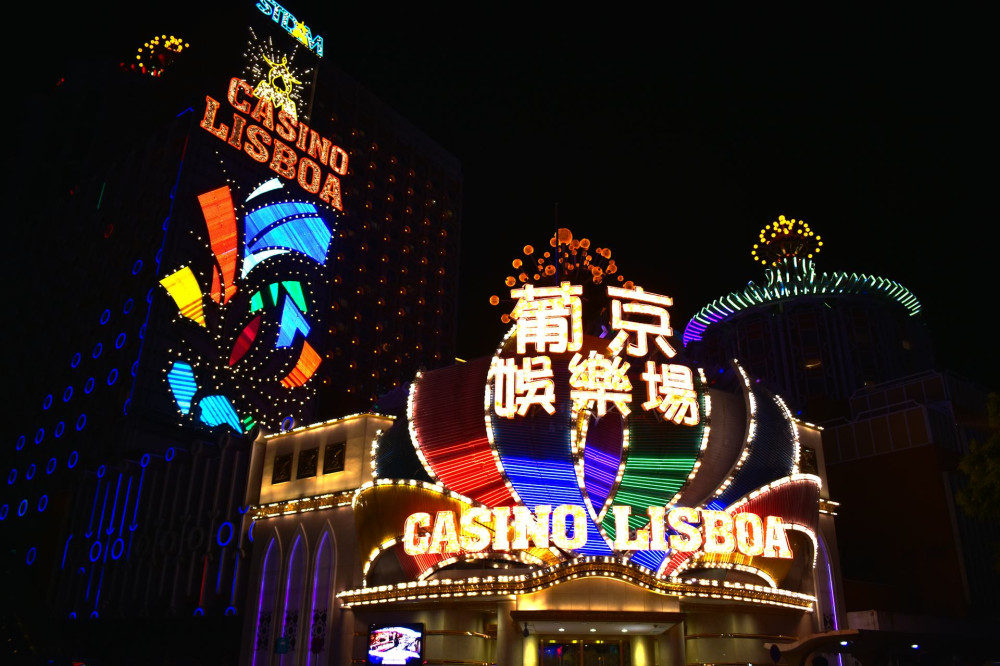
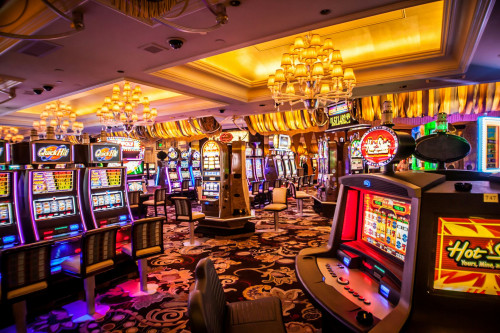
Visual design plays a central role in casino storytelling. Colors, graphics, and sound all work together to set the mood. An online casino inspired by luxury might use gold tones, elegant typography, and smooth jazz to evoke sophistication. Another might lean into neon lights, upbeat music, and bold animations to create a sense of energy and fun.
These design choices aren’t random—they’re part of the story. When visuals, language, and sound align, players experience a consistent brand identity. That consistency builds trust and makes the experience feel intentional and professional.
Characters, Themes, and Symbolism
Many casinos use characters and themes as storytelling anchors. It could be a charismatic host guiding players through a digital adventure, or a mythical world where each game unlocks a new chapter. These elements give players something to connect with emotionally.
Some casinos build their entire identity around a theme—ancient civilizations, space exploration, or Hollywood glamour. Everything from the website design to promotional emails and customer service tone can reflect that theme. The result is a world that feels unified and alive.
Storytelling in Campaigns and Loyalty Programs
Modern casino marketing is moving away from one-off promotions and toward long-term narratives. Instead of simply offering a bonus, brands create campaigns that unfold over time, encouraging players to “follow the story.”
Loyalty programs are a perfect example. Rather than just rewarding deposits, they can be structured as journeys—players level up, unlock new “chapters,” and earn rewards that feel like milestones in their personal story. This approach turns engagement into progression, making the experience more meaningful.
Læs også:


Authenticity and Responsibility as Part of the Story
As players become more conscious consumers, authenticity has become essential. Casinos that communicate transparently and promote responsible gaming build stronger trust. Integrating these values into the brand story shows that the casino cares about more than profit—it cares about the player’s well-being.
When responsibility becomes part of the narrative, it enhances credibility. The story isn’t just about entertainment; it’s about creating a safe, enjoyable, and trustworthy environment.
The Future of Casino Storytelling – Interactive and Personalized
Emerging technologies like virtual reality, gamification, and AI-driven personalization are taking storytelling to the next level. Players can now influence the story through their choices, making the experience more interactive and dynamic.
The casino of the future won’t just be a place to play—it will be a world to explore. Each player will have their own evolving narrative shaped by their actions and preferences. This is storytelling at its most advanced form—where marketing transforms into a living, breathing experience.
Læs også: