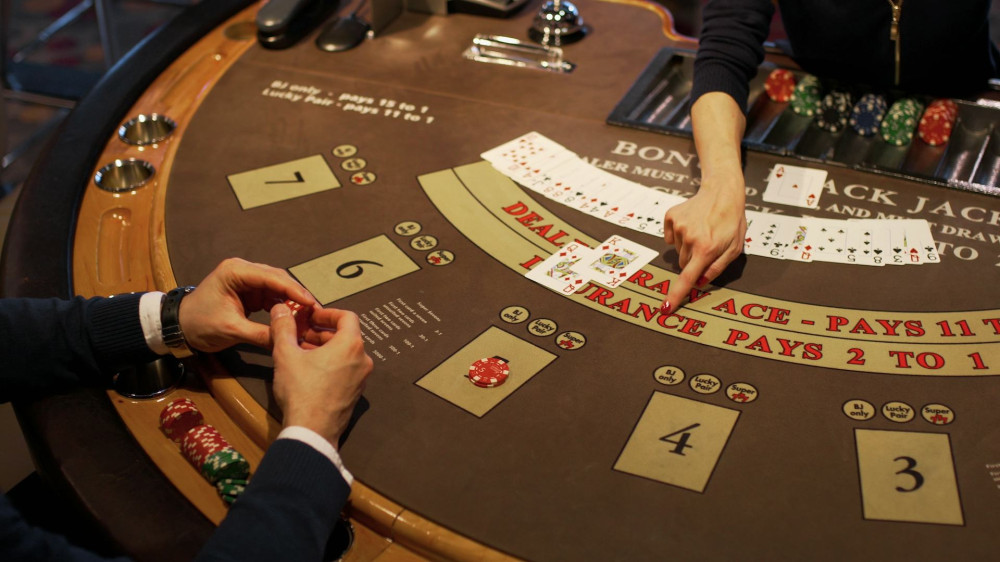
The Casino Industry as a Reflection of Society’s Attitude Toward Gambling and Entertainment


The Casino Industry as a Reflection of Society’s Attitude Toward Gambling and Entertainment
The casino industry has always been more than a place to win or lose money. It mirrors society’s views on risk, leisure, and morality. From the glittering lights of Las Vegas to the digital casinos accessible on smartphones, the evolution of gambling reflects how Americans think about entertainment, technology, and personal responsibility.
From Exclusive Luxury to Mainstream Entertainment
Historically, casinos were symbols of exclusivity and glamour. They were associated with high society, luxury, and a touch of rebellion. Gambling was a social event, part of a lifestyle that celebrated sophistication and risk-taking. Over time, however, the image of the casino has changed dramatically. The rise of online platforms, tribal casinos, and slot machines in local bars and convenience stores has made gambling accessible to nearly everyone.
What was once a luxury pastime has become a mainstream form of entertainment. Today, gambling is not only about winning money but also about excitement, experience, and community. This democratization of gambling has broadened its appeal but also raised new concerns about addiction, regulation, and social impact.
The Role of Technology in Transformation
Technology has revolutionized the casino industry in the United States. With the spread of high-speed internet and mobile devices, gambling is no longer confined to physical spaces like Las Vegas or Atlantic City. Online casinos, sports betting apps, and virtual poker rooms allow people to play anytime, anywhere. This convenience has expanded the market but also made gambling more private—and potentially more difficult to monitor.
At the same time, technology has created new forms of entertainment that blend gaming, social media, and gambling. Live dealer games, virtual reality casinos, and gamified betting platforms reflect a broader cultural shift toward interactive and immersive experiences. The boundaries between gaming, entertainment, and commerce are increasingly blurred, mirroring the digital culture of modern America.
Læs også:




Morality, Responsibility, and Regulation
As gambling has become more widespread, the conversation about responsibility has intensified. Where is the line between harmless fun and harmful behavior? In the U.S., regulation varies by state, reflecting differing cultural and political attitudes toward gambling. Nevada and New Jersey have long embraced the industry as a source of tourism and tax revenue, while other states have only recently legalized sports betting or online casinos.
Public awareness campaigns and responsible gaming initiatives have become central to the industry’s image. Casinos now promote self-exclusion programs, spending limits, and educational resources to help prevent problem gambling. Yet, the tension remains between profit and protection—between the freedom to play and the duty to safeguard vulnerable individuals. The debate echoes earlier discussions about alcohol, tobacco, and other forms of regulated entertainment.
Gambling as a Cultural Phenomenon
Casinos have long held a special place in American culture. From Hollywood films that romanticize the high-stakes tables of Las Vegas to the rise of poker tournaments broadcast on television, gambling has been portrayed as both thrilling and dangerous—a symbol of ambition, luck, and the American dream. But as society becomes more aware of mental health and economic inequality, the narrative is shifting. Gambling is increasingly seen as a form of experience-driven entertainment rather than a path to wealth or status.
New forms of social gambling—such as online tournaments, live-streamed games, and e-sports betting—illustrate how gambling has adapted to a digital, community-oriented culture. These trends show that gambling is not just about money; it’s about participation, excitement, and belonging in a connected world.
A Mirror of Our Time
The casino industry tells a story about modern America. It reflects how we balance freedom and responsibility, how we embrace technology, and how we define entertainment in an age of constant stimulation. Once a symbol of luxury and excess, gambling has become a reflection of accessibility, individualism, and digital culture.
The question is no longer whether we gamble, but how we do it—and what that reveals about us as a society. In that sense, the casino industry is not just an economic sector but a mirror that reflects our values, our habits, and our evolving relationship with risk and reward.
Læs også: