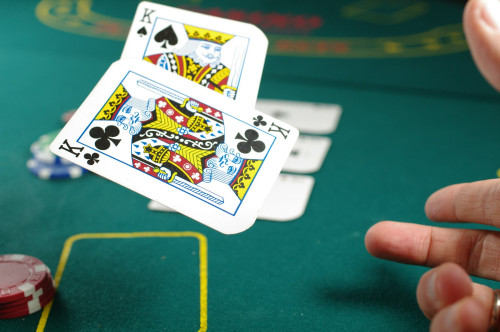
Are poker tournaments the ultimate test of skill or just pure luck?

Are poker tournaments the ultimate test of skill or just pure luck?
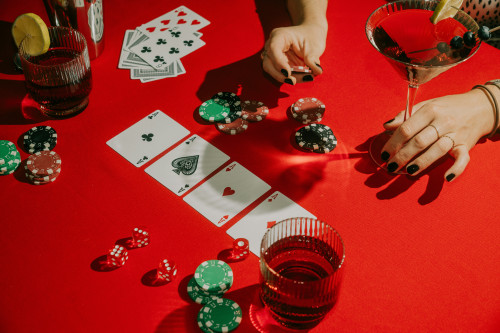
Poker tournaments have attracted players from all walks of life, offering not just the chance for game-time excitement but the allure of big winnings too. However, a long-standing debate exists surrounding the nature of these competitions. Are they fundamentally a test of skill, or do they lean heavily on luck? This article aims to explore different aspects of this debate.
The Skill Component: Understanding Poker Strategy
At the core of any successful poker tournament strategy lies an intricate understanding of the game’s mechanics. Players must master the rules of poker, including hand rankings, betting structures, and advanced strategies like bluffing and reading opponents. An experienced player can utilize these skills to make educated decisions, capitalizing on their opponents’ mistakes.
Advanced strategies, such as the concept of pot odds and implied odds, also highlight the depth of skill involved. Experienced players analyze the situation meticulously, weighing the potential returns against the risk involved. They may also employ different styles of play, from aggressive to conservative, adjusting their approach based on their current table dynamics.
The Role of Psychological Tactics
In addition to technical knowledge, psychological skill plays a crucial role in poker tournaments. The ability to read opponents—deciphering body language, facial expressions, and betting tendencies—is a vital aspect that separates the novice from the expert. Skilled players often employ tactics like “tilt” management, helping them remain calm and composed when faced with pressure or bad beats.
Moreover, understanding the psychology of your opponents can lend significant advantages in tournament settings. Players often adjust their playstyle based on how others are reacting, whether that means playing aggressively against timid players or playing conservatively against aggressive ones. The ability to remain unpredictable is a hallmark of skilled players.
The Element of Luck: A Constant Factor
No discussion of poker tournaments can be complete without acknowledging the element of luck. While skill can improve a players chances, the cards dealt can dramatically alter the course of a game. Even the best players can fall victim to bad luck, with unmatched hands or unfortunate draws at pivotal moments.
Moreover, luck often plays a significant role in tournament structures, especially during the early stages. Players may find themselves faced with challenging opponents or unfavorable circumstances that are beyond their control. The randomness of the deck can lead to unexpected outcomes, regardless of how skilled a player may be.
The Long Game: Skill Versus Luck Over Time
While luck may play a pivotal role in individual hands or tournaments, skill tends to dominate over the long term. Professional poker players often invest countless hours honing their strategies and developing their game. The ability to consistently outperform average players showcases the importance of skill in the grand scheme of poker.
Statistical analysis serves as a weapon in a players arsenal. Skilled players frequently analyze their hands post-game, learning from mistakes and improving their strategic thinking. Over time, a player’s win rate reflects their accumulated experience and understanding of the game rather than sheer luck alone.
Variations in Tournament Formats
Another aspect worth considering is the variety of poker tournament formats available. Different structures—such as freezeouts, rebuys, and turbo tournaments—can drastically affect the balance of skill and luck. In turbo formats, for example, the fast-paced nature can favor lucky breaks rather than a long-term strategic approach.
Moreover, the blind structures and payout distributions can influence how skill is leveraged. Some tournaments reward consistent play over time, whereas others may favor aggressive play or an all-in approach during critical stages. These dynamics can shift the balance between skill and luck as players adapt to evolving circumstances.
The Final Word: A Complex Interaction
The debate over whether poker tournaments are a test of skill or just luck is never straightforward. Evidence exists for both sides; those who claim skill is paramount cite their successes over numerous tournaments, while others point to the unpredictable nature of card distribution as proof of lucks dominance. Ultimately, the interaction between skill and luck creates a multifaceted experience that keeps players coming back for more.
As poker tournaments continue to grow in popularity, understanding the balance between these two elements remains essential. Whether you are aiming to become a seasoned pro or just enjoy the thrill of the game, appreciating both skill and luck will undoubtedly enhance your poker experience.