Uncover the truth: Why believing in lottery luck could cost you dearly
Uncover the truth: Why believing in lottery luck could cost you dearly
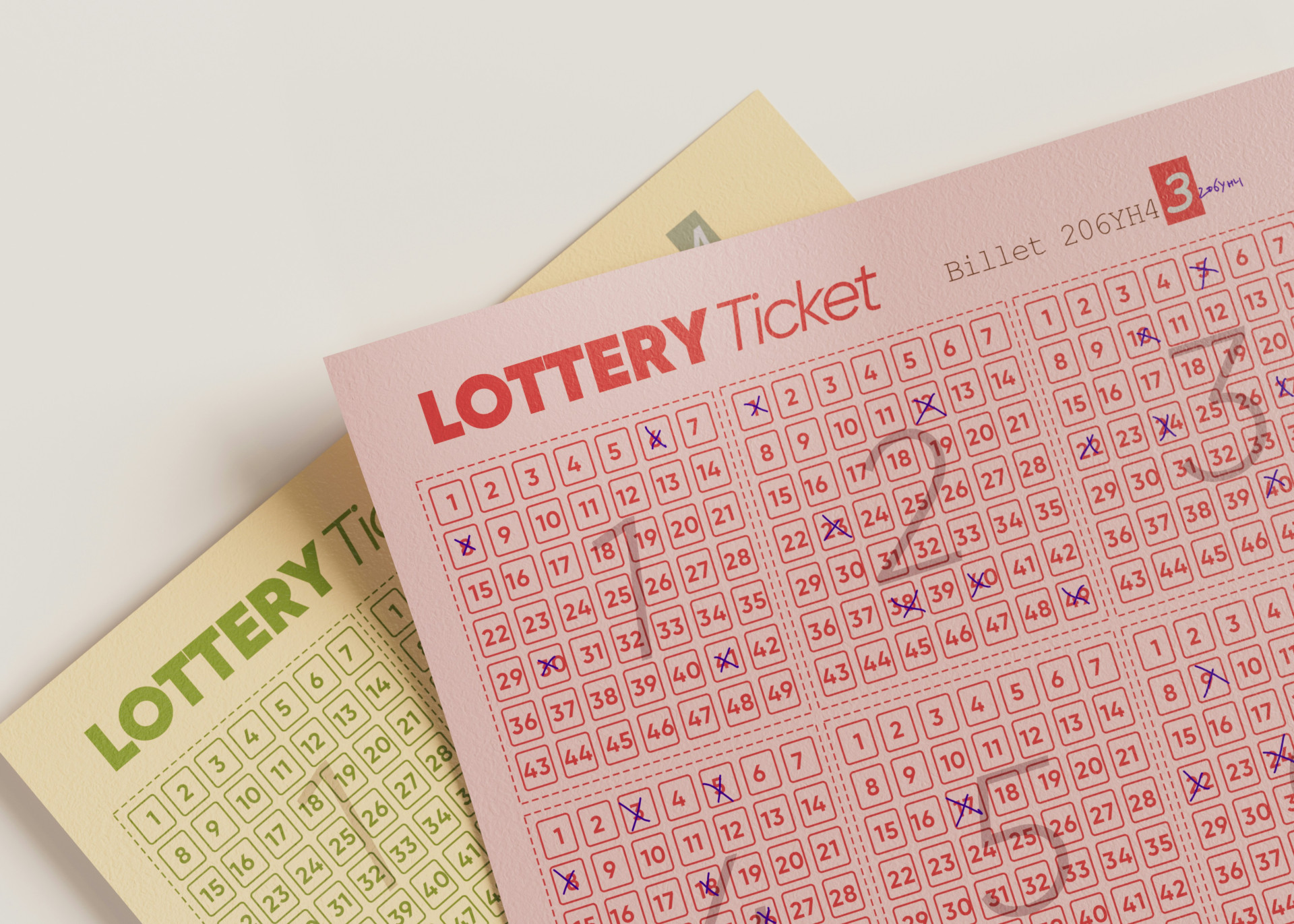
Lotteries have captivated the imagination of many, often portrayed as a golden ticket to wealth. People fantasize about hitting the jackpot, believing that luck will ultimately change their lives. But what if this belief in “lottery luck” is not just a gamble on numbers, but a serious financial risk?
The Allure of the Lottery
The lottery is marketed as a chance to transform your life overnight. Advertisements depict winners joyfully celebrating their newfound fortune, but these images can be misleading. The allure of instant wealth often leads individuals to invest more than they can afford, chasing a dream that is statistically improbable.
The Odds Are Not in Your Favor
When you purchase a lottery ticket, its easy to ignore the odds. The chances of winning major lotteries like Powerball or Mega Millions can be astronomically low—often millions to one. These staggering odds mean that while people play, they are also falling into a trap of overconfidence and miscalculating their chances of winning.
The Psychological Trap of Luck
Believing in lottery luck can create a psychological dependency. Many players convince themselves that winning is a matter of luck they should stick to try, rather than a calculated risk. This mindset can lead individuals to play regularly, spending money they might need for essentials like groceries or rent.
Moreover, this repetitive cycle can foster unhealthy gambling habits. Instead of seeing the lottery as entertainment, people begin to view it as a financial strategy—a dangerous misconception that can have dire consequences.
Financial Consequences of Lottery Addiction
Constantly buying lottery tickets can lead to significant financial strain. People may overextend their budgets, sacrificing necessary expenses for the hope of a win. This could mean cutting back on savings, skipping bills, or even going into debt to finance their lottery habit.
In an extreme case, some individuals may find themselves in problematic gambling situations, needing help to recover from their addiction. The harmful financial implications extend beyond just the ticket cost; they can permeate personal relationships and overall well-being.
Common Misconceptions About Winning
Winning the lottery comes with its own set of misconceptions. Many people believe that a windfall will solve all their problems—financial and otherwise. However, statistics show that a significant percentage of lottery winners lose their wealth within a few years. It’s often not just about the money but also about life changes, social dynamics, and personal management skills.
Some winners find themselves overwhelmed, unable to deal with new-found attention, family expectations, or pressure from friends seeking financial support. This can lead to emotional and psychological distress, which often outweighs the excitement of winning a large prize.
Alternatives to Chasing Lottery Luck
Instead of relying on luck, consider investing your money in strategies that yield measurable returns. Saving and investing in stocks, mutual funds, or even retirement accounts can help you build wealth over time. Financial literacy plays a crucial role in understanding the importance of smart investing.
Moreover, adopting a mindset of patience is vital. Wealth accumulation through responsible saving and investing is a more realistic route to financial stability. Rather than gambling on a one-time chance, focus on building a sustainable future through deliberate actions.
The Impact of Media Influence
The media often glamorizes lottery winners, perpetuating the narrative that fortune favors the bold. This portrayal can obscure the harsher realities of losing and overspending. It’s important to develop a critical lens when consuming media about lotteries, recognizing the selective nature of what’s presented.
Media representations rarely showcase the thousands of individuals who play regularly but never win, further fueling the belief that luck is just around the corner. This reinforces misguided attitudes about gambling, misunderstanding the true nature of risk and reward.
In summary, while the lottery may seem like a harmless form of entertainment, it is essential to understand the hidden costs associated with this belief in luck. Taking a proactive approach to financial well-being can provide more substantial and lasting rewards than the fleeting fantasy of winning the lottery.