Ready to bluff your way to the top? Lets explore the art of poker!

Ready to bluff your way to the top? Lets explore the art of poker!
The Allure of Poker
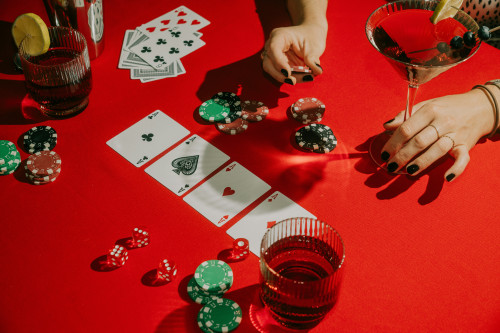
For centuries, poker has captivated players around the globe. This strategic card game blends skill, psychology, and a bit of luck, creating an engaging experience that keeps enthusiasts coming back for more. While the thrill of winning is enticing, it’s the art of bluffing that truly sets the best players apart.
Understanding Bluffing
Bluffing is an essential component of poker. It allows players to deceive their opponents into believing they have a stronger hand than they actually do. A successful bluff can lead to big wins, but it requires a deep understanding of both the game and the psychology of your opponents.
To bluff effectively, you must assess the situation carefully. Factors such as the cards on the table, the betting actions of your opponents, and their behavioral patterns all play a role. A well-timed bluff can turn the tide of the game in your favor—if executed correctly.
Types of Bluffs
There are various types of bluffs in poker, each with its unique purpose and strategy:
- The Pure Bluff: This involves betting or raising with a weak hand, hoping to force opponents to fold. It’s risky and should be used sparingly.
- The Semi-Bluff: This is when you bet or raise with a hand that has the potential to improve, such as a draw. Even if your bluff doesn’t succeed, you may still have a chance to win if your hand improves.
- The Value Bluff: This occurs when you believe your hand is strong but still bet to extract value from opponents who might call with weaker hands. It combines elements of bluffing and legitimate hand strength.
Reading Your Opponents
Successful bluffing relies heavily on your ability to read your opponents. Pay close attention to their betting patterns, body language, and emotional responses. Someone who is nervous or fidgety may be hiding a weak hand, while a calm and confident demeanor could indicate strength.
Furthermore, consider their position at the table. Players in early positions may have stronger hands since they act before others. In contrast, players who take aggressive actions from late positions could be trying to steal the pot.
When to Bluff
Timing is everything in poker. Bluffing at the wrong moment can lead to significant losses. Some key moments to consider bluffing include:
- When the board is favorable for a strong hand that aligns with your bluff.
- When your opponents show weakness by checking or calling rather than raising.
- When you have a tight table image, as opponents may be more likely to fold against you.
However, dont be afraid to adjust your strategy based on the flow of the game. If an opponent seems overly cautious, it may be best to tone down your bluffing.
The Psychology of Bluffing
Understanding psychology plays a crucial role in bluffing. You must convince your opponents that you have the winning hand, even when you don’t. This often requires confidence and a well-crafted story about your hand.
Your demeanor can significantly enhance your bluffing effectiveness. Maintain a steady gaze, use a calm voice, and project confidence through your body language. Avoiding fidgeting or excessive nervous behavior will help strengthen your facade.
Practice Makes Perfect
The best way to improve your bluffing skills is through practice. Play poker with friends, join online games, or attend local tournaments. Each experience will help you refine your ability to read others and develop your own bluffing strategies.
Consider opting for low-stakes games where the pressure is lower. This setting allows you to experiment with different bluffing techniques without risking significant financial loss.
Learning from Mistakes
Every poker player encounters blunders, especially when bluffing. If an opponent calls your bluff and you lose, take it as a learning opportunity. Analyze what went wrong: Did you misread their body language? Was your timing off? Reflecting on these moments will help you make smarter decisions in the future.
As you delve into the fascinating world of poker, remember that bluffing is both an art and a science. By understanding its nuances and practicing consistently, you can enhance your gameplay and establish yourself as a formidable contender at the poker table. Happy bluffing!