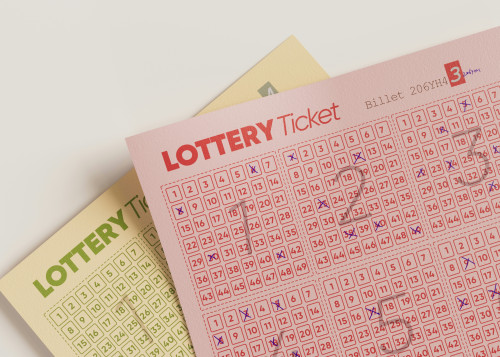
Life is a gamble: Exploring the fascinating world of lotteries

Life is a gamble: Exploring the fascinating world of lotteries
The Allure of Chance
Lotteries have captivated humanity for centuries, drawing millions into a world of chance and aspiration. The thrill of winning a life-changing amount of money with just a simple ticket has an undeniable appeal. The possibility of instant wealth persists as a beacon of hope, especially in challenging economic times.
A Brief History of Lotteries
The concept of lottery dates back to ancient times. The earliest records of lotteries can be traced to the Han Dynasty in China, around 205-187 BC, where they reportedly funded major government projects such as the Great Wall. Over the centuries, lotteries evolved, becoming popular in ancient Rome and later in Europe as a means to raise funds for public projects.
In modern times, various countries have adopted lotteries as a source of revenue, with governments often regulating them to ensure fair play.
How Lotteries Work
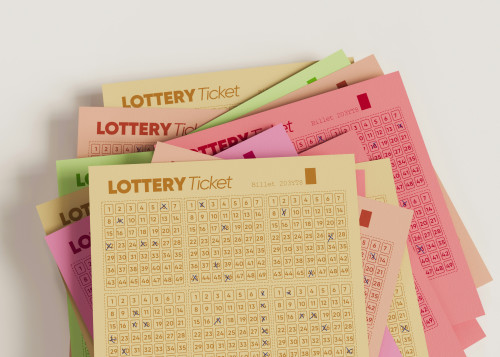
At their core, lotteries are a game of chance. Participants purchase tickets for a chance to win prizes, which can range from small sums to multi-million dollar jackpots. There are several types of lottery games, including:
- Number Draw Games: Players select a set of numbers, and prizes are awarded based on how many numbers they match with the numbers drawn.
- Instant Win Games: Often called scratch-offs, these provide immediate results, allowing players to see if they have won upon scratching the ticket.
- Daily Draws: These lotteries occur daily, giving players multiple chances to win.
The odds of winning vary significantly depending on the game format and the number of players. Though winning is rare, the excitement and anticipation keep people coming back.
The Psychological Aspect of Lottery Play
For many players, participating in lotteries goes beyond mere entertainment. The psychological impact is profound. People often dream about what they would do if they won. This fantasy can drive them to play consistently, even when the odds are stacked against them.
Research indicates that many players adopt a “hope theory” when playing, where buying a ticket transforms their outlook on life. The mere act of participating can bring about a sense of optimism, even if the outcome is unlikely.
The Social Implications of Lotteries
Lotteries also bring about significant social discussion. Proponents argue they are a voluntary tax, allowing individuals to contribute toward public welfare without mandating taxes. Funds generated by lotteries frequently support education, infrastructure, and social programs.
However, critics raise concerns about gambling addiction and the potential for regressive taxation, where lower-income individuals spend a higher percentage of their earnings on tickets. This raises ethical questions about the encouragement of such games by governments.
The Emergence of Online Lotteries
The digital age has transformed the lottery landscape. Online lotteries have gained immense popularity, allowing players to purchase tickets through websites and apps. This shift has made lotteries more accessible than ever. People from various regions can participate without needing to visit a physical location.
However, this transition has also raised concerns over fraud and the regulation of online purchases. Governments and organizations are grappling with how to monitor and regulate online lotteries to ensure fairness and security for players.
The Future of Lotteries
As lotteries adapt to changing societal norms and technological advancements, their future remains uncertain. The integration of interactive elements, such as live draws and gamified experiences, may redefine how players engage with lotteries.
Additionally, the discussion surrounding responsible gaming continues to be paramount. As the lines between entertainment and addiction blur, emphasizing education and support for responsible play becomes crucial.
Lottery games reflect humanitys fascination with chance and the potential for a brighter future. Whether viewed as a harmless pastime or a serious social issue, lotteries are set to remain a significant part of our culture, captivating the imaginations of players worldwide.